Progress Through Partnership: Key Takeaways from HIA-LI’s Annual Meeting

Each year, HIA-LI’s Annual Meeting and Legislative Forum offers an important opportunity to step back from the day-to-day pressures facing employers and policymakers alike and take a clear-eyed look at where Long Island is headed. This year’s event, which attracted nearly 400 attendees, reinforced something many of us already know: the challenges confronting our region are complex, interconnected, and impossible to solve in isolation, but progress is absolutely achievable when we work together.

What stood out most this year was not simply the range of issues discussed — affordability, housing, infrastructure, transportation, energy, workforce development, and solid waste — but the strong sense of alignment across levels of government and across party lines. Again and again, speakers returned to a shared conclusion: Long Island’s future depends on collaboration, pragmatism, and a willingness to row in the same direction.

A SHARED VIEW FROM WASHINGTON AND ALBANY

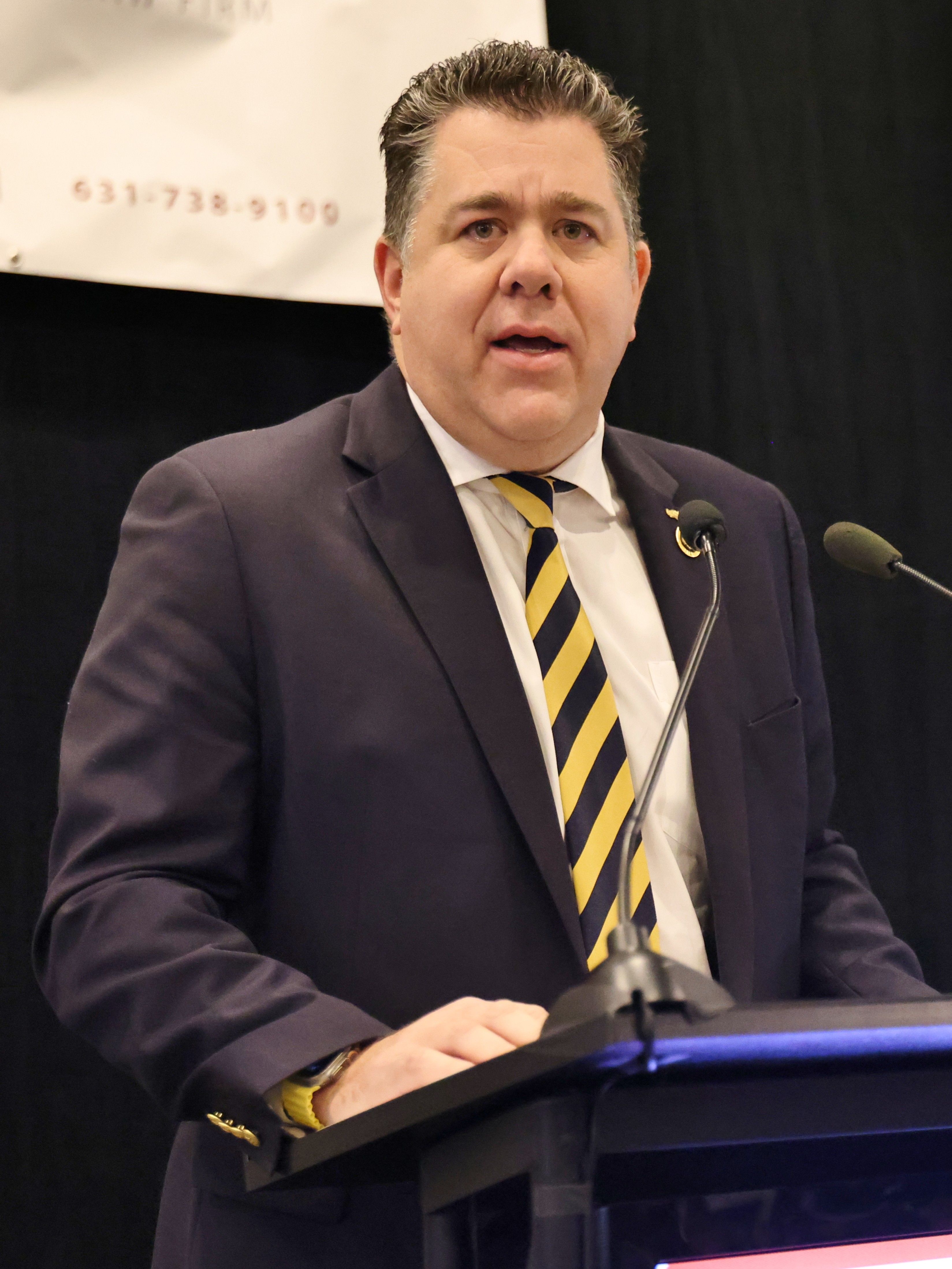
Congressman Nick LaLota opened the program by grounding the conversation in the real-world pressures facing Long Island families and employers. He emphasized the importance of ensuring that federal policy recognizes the high cost of living in our region and delivers tangible relief for both households and small businesses. Just as important, he underscored that economic vitality begins locally — with the business owners and employers who create jobs, support families, and keep Long Island competitive.

Although she was unable to join us in person, Governor Kathy Hochul shared a video message with our members, continuing a dialogue she has maintained with HIA-LI over the years. In her remarks, the Governor reinforced Long Island’s role as a critical driver of New York State’s economy and highlighted the state’s continued commitment to investing in infrastructure, transportation, water and sewer systems, manufacturing, and innovation. Her message emphasized that strategic public investment, aligned with private-sector growth, is essential to keeping Long Island competitive and economically strong.

From the state legislative perspective, New York State Senator Monica Martinez framed affordability not as a single policy challenge, but as a balance of education, workforce readiness, infrastructure, and attainable housing. Drawing on her background in education, she spoke about the importance of creating strong pipelines between schools, training programs, and Long Island employers, recognizing that a thriving regional economy depends on preparing people for careers that allow them to live and work here long term. She also reinforced the need for state investment to reflect the contributions Long Island makes to New York’s overall economy.

COUNTY AND LOCAL LEADERSHIP: PRACTICAL SOLUTIONS, REAL CONSEQUENCES

At the county level, Suffolk County Executive Ed Romaine offered a candid assessment of the structural challenges Long Island must confront head-on. Transportation, energy capacity, sewer infrastructure, and solid waste management are not abstract policy discussions. They are foundational to economic growth, housing production, and quality of life. His message was clear: without coordinated regional planning and sustained investment, these issues will limit Long Island’s future. With collaboration and forward-looking leadership, they can instead become opportunities.

Presiding Officer Anthony Piccirillo echoed the importance of fiscal responsibility and long-term planning, particularly as Suffolk County works to maintain public safety while addressing affordability pressures. He emphasized the value of bipartisan cooperation within county government and the need to focus on practical solutions that improve daily life for residents and businesses alike. Stability, transparency, and shared responsibility were central themes in his remarks.

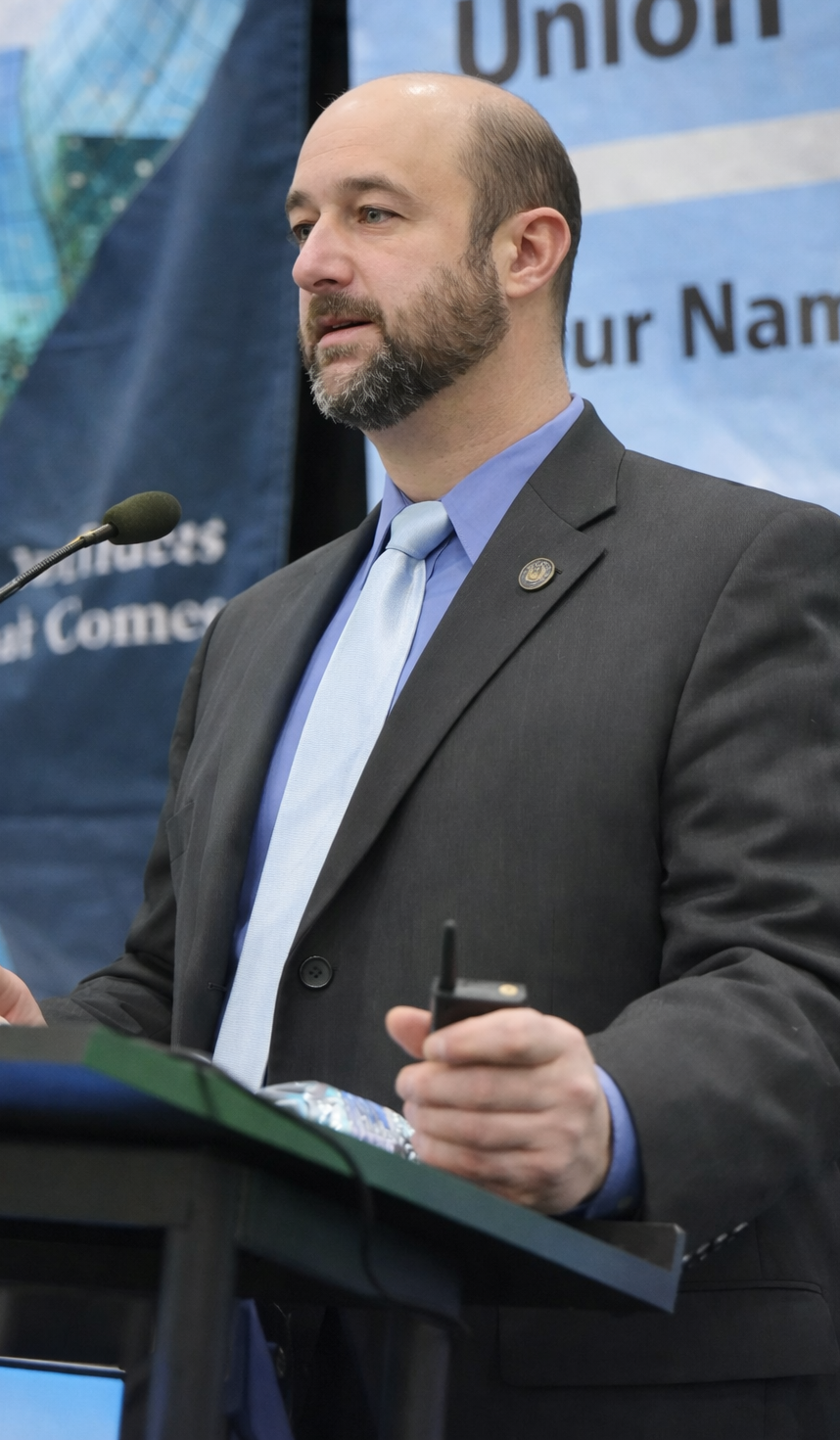
From the municipal perspective, Smithtown Supervisor Ed Wehrheim highlighted how thoughtful local planning can support both economic development and housing balance. By investing in business districts, infrastructure, and a mix of housing options — including opportunities for homeownership — municipalities can strengthen communities while supporting workforce retention. His comments reinforced that local success stories are strongest when they align with broader county and state priorities.

THE COMMON THREAD: REGIONAL COLLABORATION OVER POLITICS

Across all of these perspectives, a clear common thread emerged. No single level of government can solve these challenges alone. Housing requires infrastructure. Infrastructure requires funding and coordination. Workforce development depends on education, transportation, and employer engagement. Affordability is shaped by all of it.

As HIA-LI Board Member Joe Campolo, Managing Partner at Campolo, Middleton & McCormick, LLP, guided the discussion, it became clear that the most productive moments were those centered on outcomes rather than ideology. That spirit of cooperation reflects the path forward for Long Island: collaborative, pragmatic, and focused on results.

LOOKING AHEAD: NEW LEADERS, SHARED PURPOSE

As we begin a new year, this spirit of partnership also extends to HIA-LI’s leadership. We are proud to welcome five new members to our Board of Directors, whose experience reflects the depth and diversity of Long Island’s economy:

Each brings valuable insight from higher education, technology, finance, nonprofit leadership, and strategic business development. Their perspectives will help guide HIA-LI’s advocacy and programming as we continue addressing the evolving needs of employers and communities across the region.

MOVING FORWARD: TOGETHER

HIA-LI remains focused on convening leaders, elevating business’ voice, and advancing solutions that strengthen Long Island’s economic foundation. The conversations at this year’s Annual Meeting reinforced something I believe deeply: when business, government, and community stakeholders work together with a shared commitment to problem-solving, Long Island is well positioned to move forward . . . together.

Infrastructure, Housing, and Sustainability: The Roadmap from HIA-LI’s Annual Meeting

On January 17, 2025, HIA-LI hosted its 47th Annual Meeting and Legislative Program, bringing together over 400 business leaders, elected officials, and dignitaries to discuss pressing issues and opportunities for Long Island’s economic growth. As I stood before this incredible audience, I couldn’t help but feel a deep sense of pride in how far we’ve come as a community and how determined we are to overcome the challenges ahead.

The event underscored the vital role HIA-LI plays in advocating for our members, connecting stakeholders, and driving meaningful action for the region. With leaders like Congressman Nick LaLota, Suffolk County Executive Ed Romaine, Suffolk County Presiding Officer Kevin McCaffrey, Islip Town Supervisor Angie Carpenter, and Huntington Town Supervisor Ed Smyth contributing to the dialogue, we demonstrated that collaboration between government and business is the foundation for Long Island’s prosperity.

The discussion was expertly guided by Joe Campolo, Managing Partner at Campolo, Middleton & McCormick, LLP, an HIA-LI board member, and Chair of our Long Island Economic Development Task Force. Joe’s skillful moderation ensured that key issues were explored in depth while keeping the conversation engaging and solution-focused.

Building a Business-Friendly Environment

The theme that resonated throughout the meeting was the critical need to create a more business-friendly Long Island. Congressman LaLota addressed the ongoing efforts to increase the State and Local Tax (SALT) deduction cap, emphasizing how this federal tax relief is essential for sustaining businesses and families in one of the most highly taxed regions in the nation.

At the local level, County Executive Romaine highlighted Suffolk County’s focus on infrastructure investments, including sewer expansion—a linchpin for economic development. Supervisors Carpenter and Smyth echoed this sentiment, emphasizing the importance of keeping businesses here and enabling growth through infrastructure support. Presiding Officer McCaffrey added his perspective on the importance of workforce development programs to ensure Long Island remains competitive. The unified message was clear: Long Island must continue to fight for its fair share of federal and state funding to maintain its position as an economic engine.

Infrastructure as the Cornerstone of Progress

One of the key takeaways from the meeting was the critical importance of infrastructure development, especially in areas like sewer systems, transportation, and clean water initiatives. As the second-largest industrial park in the nation, the Long Island Innovation Park at Hauppauge (LI-IPH) is a cornerstone of our regional economy, contributing over $13 billion annually. Yet, the lack of adequate sewer systems throughout the bi-county region remains a significant barrier to attracting new businesses and housing opportunities.

The urgency of addressing this was underscored by multiple leaders. Supervisor Smyth reminded us that “sewers are everything,” illustrating the environmental and economic consequences of outdated systems. Both Romaine and Carpenter stressed the need for careful, long-term planning to ensure that infrastructure projects like sewers, roadways, and renewable energy initiatives align with Long Island’s growth trajectory. These investments are not just critical for businesses but for the overall quality of life for residents.

Housing: A Challenge and an Opportunity

Housing emerged as another pivotal issue—one directly tied to workforce retention and economic vitality. The consensus was clear: Long Island needs more affordable housing to prevent the exodus of young professionals and families. In Islip, projects like TRITECH’s Shoregate in Bay Shore and the proposed housing at Pilgrim State exemplify how transit-oriented development can revitalize communities and create sustainable growth.

However, as Supervisor Carpenter pointed out, housing projects cannot succeed without the infrastructure to support them. Presiding Officer McCaffrey highlighted the need to balance housing development with the preservation of Long Island’s unique suburban character, ensuring that growth is sustainable and community focused. The call to action for state and federal partners was loud and clear—Long Island needs the resources to build not just homes but the roads, sewers, and public transit that make those homes viable.

Sustainability: A Forward-Thinking Priority

Environmental sustainability was another key focus. With Long Island’s unique position as a sole-source aquifer region, preserving water quality and managing waste are non-negotiable priorities. As landfill closures like Brookhaven’s loom, waste management has become a critical issue requiring regional solutions. Romaine, Carpenter, and Smyth emphasized the importance of recycling innovation and leveraging state resources to address these challenges.

HIA-LI is proud to support initiatives like the Suffolk County solar program and workforce development programs that integrate sustainability into our economic goals. These efforts align with our broader mission to ensure that Long Island’s growth is both responsible and forward-looking.

The Path Ahead: Action and Advocacy

As we move into 2025, our focus at HIA-LI is clear: continue building partnerships, amplifying the voice of Long Island businesses, and driving solutions for critical issues like infrastructure, housing, and sustainability. We are not just advocating for change—we are actively working with government and private sector leaders to implement it.

This year, we’ll host programs like the Workforce Development Summit and the Women’s Leadership Conference, fostering opportunities for innovation and collaboration. We’re also committed to expanding our footprint, with a 15 percent membership increase in 2024 already strengthening our collective voice.

To every business owner, elected official, and community leader who attended the meeting: thank you for being part of the conversation. Your engagement is what makes our work possible. Together, we can make 2025 a banner year for Long Island, one that sets the standard for economic resilience and community growth.

Let’s keep the momentum going. If you’re not already involved, I encourage you to join us. Let’s advocate louder, collaborate stronger, and ensure that Long Island’s best days are ahead.

Shaping the Future of Long Island: Reflections from HIA-LI’s 46th Annual Meeting and Legislative Program

Pictured: HIA-LI board members and Legislative Program panelists pause for a group photo.

HIA-LI’s 46th Annual Meeting and Legislative Program marked a significant confluence of ideas and strategies from key regional and statewide policymakers and leaders. This year’s event was a vibrant forum for discussing Long Island’s trajectory, focusing on economic growth, infrastructure, environmental sustainability, and adapting to new societal post-pandemic norms.

Here at HIA-LI, we’re extremely proud of the strides made in the Long Island Innovation Park at Hauppauge, a major economic engine with 55,000 employees and $13 billion in economic output. Significant achievements include new branding initiatives, such as the introduction of flags and signage as well as vital infrastructure developments such as sewage expansion.

Our focus on sustainable development is evident in our plans for electric vehicle integration and a transportation study for the park. We’ve broadened the scope of our Economic Development Task Force, while our Workforce Development Task Force has been pivotal in bridging the gap between businesses and educational institutions.

I’m especially proud of our membership growth of over 21 percent and our successful engagement strategies across all HIA-LI social media channels. That includes a new partnership with Going Local TV as well as the growth of our Business Steps Up podcast.

Kicking off the Legislative Program, newly elected Suffolk County Executive Ed Romaine’s comments were particularly noteworthy for its emphasis on environmental and infrastructural initiatives. He passionately advocated for a referendum on clean water, seeing it as vital for Suffolk County’s ecological future. Romaine highlighted the crucial need for the electrification of the Long Island Rail Road’s Port Jefferson line, explaining how it would revolutionize local transportation and stimulate economic growth. Further, he underscored the importance of securing equitable funding from Albany, essential for the region’s comprehensive development.

Smithtown Supervisor Ed Wehrheim – who also serves on the Long Island Regional Planning Council – shared his vision for Smithtown’s infrastructure development, specifically referencing his advocacy for sewage treatment plants as a catalyst for growth and environmental protection. Wehrheim emphasized the need for community-centric governance, stressing the importance of civic engagement in shaping effective local policies.

John Walser, Director of Economic Development at the Town of Islip, representing Supervisor Angie Carpenter, provided insights into the economic development strategies being implemented in Suffolk’s second largest township. He elaborated on initiatives aimed at strengthening local businesses and attracting new investment. Walser acknowledged the pivotal role of the Long Island Regional Planning Council in coordinating the region’s economic strategies.

We were once again honored that Lieutenant Governor Antonio Delgado joined us virtually via “live” Zoom. He articulated the state administration’s dedication to supporting Long Island’s communities. Delgado spoke on the significance of public-private partnerships in achieving community safety, affordability, and economic prosperity. He further highlighted the governor’s commitment to expanding the FAST NY program to prepare sites for development, fostering New York’s competitive edge in national job creation.

Delgado also discussed the “Long Island Forward” program, aimed at addressing the residential housing shortage by encouraging municipalities to create shovel ready sites through targeted incentives. The goal, he said, is to retain local talent, allowing young people to raise their families on Long Island with an eye towards strengthening New York’s economy.

After each speaker had a chance to present, a lively discussion ensued on a variety of timely topics such as reviving Long Island’s economy post-COVID-19, emphasizing technological innovation; addressing Long Island’s affordable housing crisis; the need for infrastructure improvements, especially modern solutions to traditional septic systems; and, advocating for environmental sustainability through green initiatives.

HIA LI’s 46th Annual Meeting and Legislative Program demonstrated the commitment and foresight of Long Island’s leaders. It also showed that the dedication and resilience of our members are the bedrock of our success. The discussions laid down a comprehensive roadmap for a sustainable and prosperous future in the bi-county region.

As we step into 2024, I encourage everyone to engage actively with HIA-LI, contributing to the collective growth and prosperity of this beautiful region we all call home.