From Infrastructure to Innovation: How Long Island’s Towns Are Building the Future

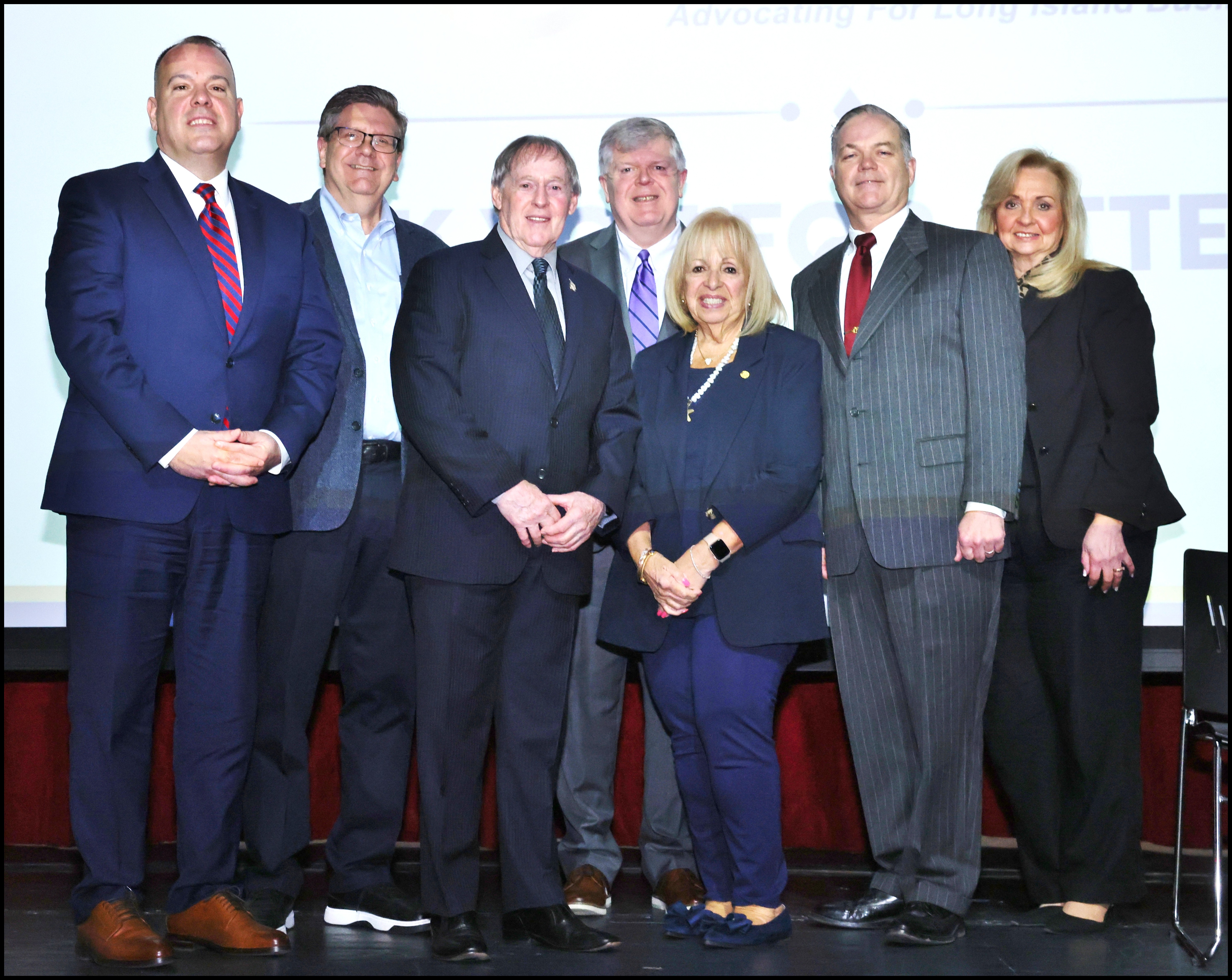
There’s a tendency to talk about economic development in broad, regional terms: state investments, county initiatives, big-picture strategy. But what became clear at HIA-LI’s recent Economic Development Advancements: Towns Shaping Long Island’s Future program is this: the most consequential decisions shaping Long Island’s future are happening at the town level.

That’s where zoning is determined. That’s where redevelopment is approved or denied. And increasingly, that’s where the vision for what Long Island becomes over the next decade is being defined.

A Shared Direction: From Sprawl to Smart Growth

Across the panel, one theme emerged consistently: Long Island is moving away from traditional suburban sprawl and toward more intentional, mixed-use, walkable communities.

In the Town of Huntington, Supervisor Ed Smyth described a community that is already largely built out, leaving redevelopment, not expansion, as the path forward. The proposed Melville Town Center reflects a shift toward creating walkable downtown environments, blending residential, commercial, and lifestyle elements in ways that better reflect how people want to live today.

That same philosophy is taking shape across the region.

In the Town of Islip, Supervisor Angie Carpenter pointed to major redevelopment efforts in Bay Shore and Central Islip, where transit-oriented development and mixed-use projects are transforming underutilized sites into vibrant, economically productive communities. These projects are not just about housing. They are about creating places where people can live, work, and contribute to the local economy.

And in the Town of Babylon, Supervisor Rich Schaffer highlighted how sustained public investment in infrastructure, including roads, drainage, sewer systems, and public safety, has helped unlock significant private-sector development, from Wyandanch to Deer Park and beyond.

Infrastructure Still Comes First

If there was one point of universal agreement, it was this: none of this happens without infrastructure.

Supervisor Ed Wehrheim of the Town of Smithtown underscored how investments in sewer systems, streetscapes, and transportation access are directly tied to revitalization success. Once that foundation is in place, private investment follows, bringing new housing, new businesses, and renewed energy to long-standing business districts.

That same message was echoed throughout the discussion. Whether it’s sewer expansion in Huntington Station, infrastructure upgrades in Smithtown, or large-scale capital investments in Babylon, the path to economic growth begins below ground before it ever rises above it.

Setting the Tone: Leadership and Accountability

Moderating the discussion, Joe Campolo, Managing Partner of Campolo, Middleton & McCormick LLP; Founder of Strata Alliance; Chair of HIA-LI’s Long Island Economic Development Task Force; and HIA-LI Board Member. Joe emphasized a point that resonated throughout the program: economic development requires not just vision, but action, and it often takes political courage.

He noted that town supervisors are uniquely positioned to move projects forward or stop them, making their leadership central to Long Island’s future. At the same time, he stressed that public-private partnerships cannot exist in name only. The business community must actively support responsible development by engaging in the process, showing up at hearings, and advocating for projects that strengthen the regional economy.

That dynamic, government leadership paired with private-sector engagement, was a consistent thread throughout the conversation and a critical factor in whether projects ultimately succeed.

Balancing Growth, Affordability, and Community

Another key theme was balance.

There is a clear need for new housing on Long Island, but what that housing looks like matters. Several supervisors emphasized that developments cannot be exclusively rental-based. Communities are looking for a mix that includes opportunities for homeownership, allowing residents to build equity and remain rooted on Long Island long-term.

At the same time, affordability pressures continue to mount. While housing costs are often the focus, Brookhaven Town Supervisor Dan Panico pointed to another looming issue that receives far less attention: waste management. The long-term sustainability and cost of managing Long Island’s solid waste system could have significant implications for taxpayers, businesses, and local governments alike.

These are not abstract challenges. They are real, immediate pressures that require coordination across all levels of government.

Partnership Matters at Every Level

The discussion also reinforced the importance of collaboration, particularly with New York State.

Cara Longworth, Long Island Regional Director for Empire State Development, highlighted the impact of the state’s Downtown Revitalization Initiative, which has brought critical funding into communities across Long Island. These investments are helping towns reimagine their downtowns and accelerate projects that might otherwise take years longer to realize.

At the local level, success also depends on partnerships with developers, school districts, and the business community. In Huntington, for example, support from the Half Hollow Hills School District has helped advance the conversation around the Melville Town Center project, particularly as enrollment trends shift and communities adapt to changing demographics.

The Role of Place and Partnership

Hosting this conversation at the Suffolk Y Jewish Community Center was a reminder of how important community institutions are in bringing people together around these issues. We are grateful to Rick Lewis and his team for opening their doors and providing a space for this important dialogue.

Because ultimately, these conversations matter.

They matter not just for the elected officials making decisions, but for the business community, residents, and future generations who will live with the outcomes.

Looking Ahead

If there is one takeaway from this program, it is that Long Island is not standing still.

Across every town represented, there is movement, projects advancing, infrastructure being built, policies being debated, and visions taking shape. The details may differ from one community to another, but the direction is clear: smarter growth, stronger downtowns, and a renewed focus on making Long Island a place where people can build careers, raise families, and stay for the long term.

The challenge, and the opportunity, will be ensuring that these efforts continue to move forward in a way that is thoughtful, balanced, and sustainable.

Because the future of Long Island isn’t being decided in the abstract.

It’s being built, project by project, downtown by downtown, and town by town.
Progress Through Partnership: Key Takeaways from HIA-LI’s Annual Meeting

Each year, HIA-LI’s Annual Meeting and Legislative Forum offers an important opportunity to step back from the day-to-day pressures facing employers and policymakers alike and take a clear-eyed look at where Long Island is headed. This year’s event, which attracted nearly 400 attendees, reinforced something many of us already know: the challenges confronting our region are complex, interconnected, and impossible to solve in isolation, but progress is absolutely achievable when we work together.

What stood out most this year was not simply the range of issues discussed — affordability, housing, infrastructure, transportation, energy, workforce development, and solid waste — but the strong sense of alignment across levels of government and across party lines. Again and again, speakers returned to a shared conclusion: Long Island’s future depends on collaboration, pragmatism, and a willingness to row in the same direction.

A SHARED VIEW FROM WASHINGTON AND ALBANY

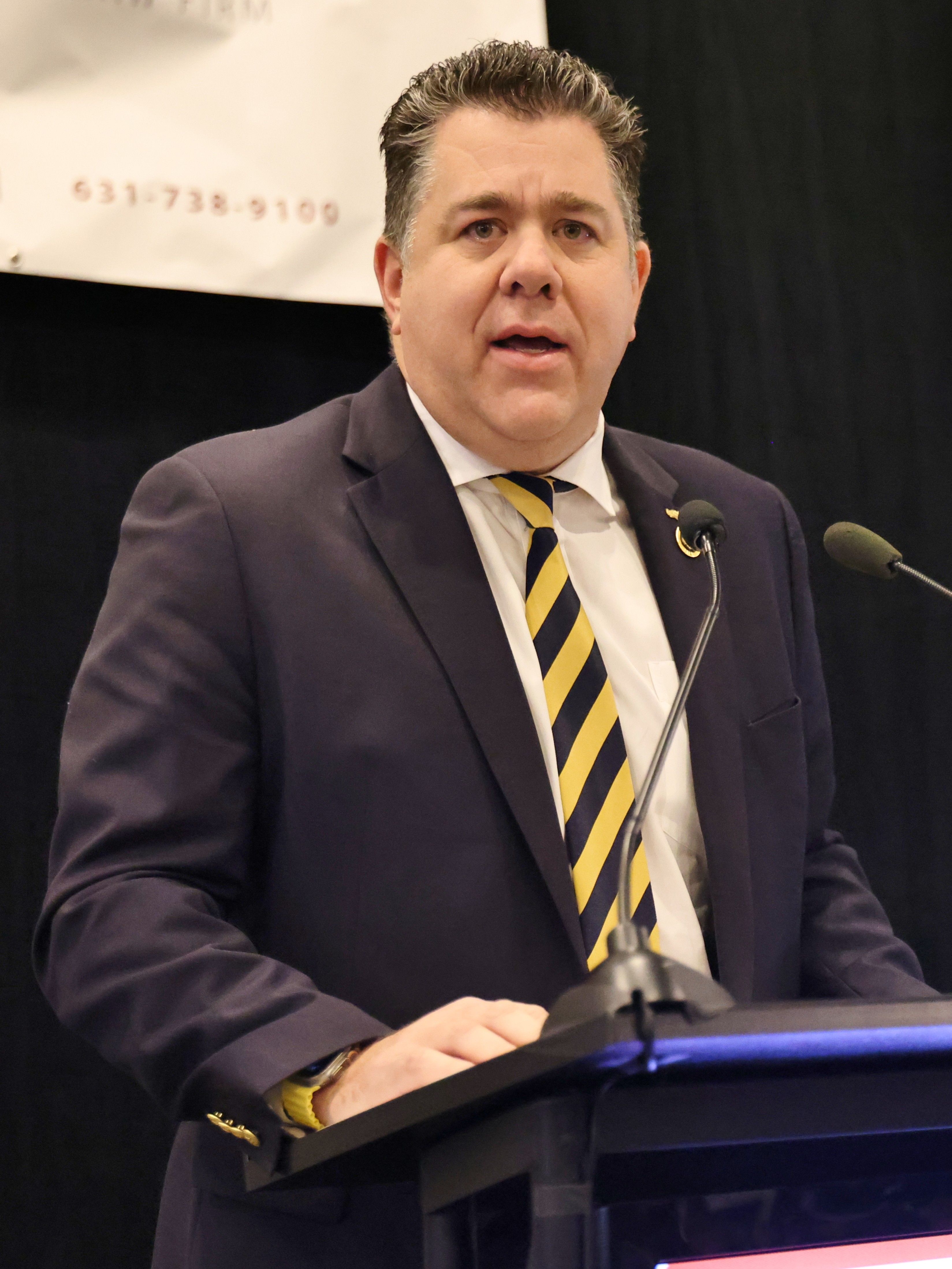
Congressman Nick LaLota opened the program by grounding the conversation in the real-world pressures facing Long Island families and employers. He emphasized the importance of ensuring that federal policy recognizes the high cost of living in our region and delivers tangible relief for both households and small businesses. Just as important, he underscored that economic vitality begins locally — with the business owners and employers who create jobs, support families, and keep Long Island competitive.

Although she was unable to join us in person, Governor Kathy Hochul shared a video message with our members, continuing a dialogue she has maintained with HIA-LI over the years. In her remarks, the Governor reinforced Long Island’s role as a critical driver of New York State’s economy and highlighted the state’s continued commitment to investing in infrastructure, transportation, water and sewer systems, manufacturing, and innovation. Her message emphasized that strategic public investment, aligned with private-sector growth, is essential to keeping Long Island competitive and economically strong.

From the state legislative perspective, New York State Senator Monica Martinez framed affordability not as a single policy challenge, but as a balance of education, workforce readiness, infrastructure, and attainable housing. Drawing on her background in education, she spoke about the importance of creating strong pipelines between schools, training programs, and Long Island employers, recognizing that a thriving regional economy depends on preparing people for careers that allow them to live and work here long term. She also reinforced the need for state investment to reflect the contributions Long Island makes to New York’s overall economy.

COUNTY AND LOCAL LEADERSHIP: PRACTICAL SOLUTIONS, REAL CONSEQUENCES

At the county level, Suffolk County Executive Ed Romaine offered a candid assessment of the structural challenges Long Island must confront head-on. Transportation, energy capacity, sewer infrastructure, and solid waste management are not abstract policy discussions. They are foundational to economic growth, housing production, and quality of life. His message was clear: without coordinated regional planning and sustained investment, these issues will limit Long Island’s future. With collaboration and forward-looking leadership, they can instead become opportunities.

Presiding Officer Anthony Piccirillo echoed the importance of fiscal responsibility and long-term planning, particularly as Suffolk County works to maintain public safety while addressing affordability pressures. He emphasized the value of bipartisan cooperation within county government and the need to focus on practical solutions that improve daily life for residents and businesses alike. Stability, transparency, and shared responsibility were central themes in his remarks.

From the municipal perspective, Smithtown Supervisor Ed Wehrheim highlighted how thoughtful local planning can support both economic development and housing balance. By investing in business districts, infrastructure, and a mix of housing options — including opportunities for homeownership — municipalities can strengthen communities while supporting workforce retention. His comments reinforced that local success stories are strongest when they align with broader county and state priorities.

THE COMMON THREAD: REGIONAL COLLABORATION OVER POLITICS

Across all of these perspectives, a clear common thread emerged. No single level of government can solve these challenges alone. Housing requires infrastructure. Infrastructure requires funding and coordination. Workforce development depends on education, transportation, and employer engagement. Affordability is shaped by all of it.

As HIA-LI Board Member Joe Campolo, Managing Partner at Campolo, Middleton & McCormick, LLP, guided the discussion, it became clear that the most productive moments were those centered on outcomes rather than ideology. That spirit of cooperation reflects the path forward for Long Island: collaborative, pragmatic, and focused on results.

LOOKING AHEAD: NEW LEADERS, SHARED PURPOSE

As we begin a new year, this spirit of partnership also extends to HIA-LI’s leadership. We are proud to welcome five new members to our Board of Directors, whose experience reflects the depth and diversity of Long Island’s economy:

Each brings valuable insight from higher education, technology, finance, nonprofit leadership, and strategic business development. Their perspectives will help guide HIA-LI’s advocacy and programming as we continue addressing the evolving needs of employers and communities across the region.

MOVING FORWARD: TOGETHER

HIA-LI remains focused on convening leaders, elevating business’ voice, and advancing solutions that strengthen Long Island’s economic foundation. The conversations at this year’s Annual Meeting reinforced something I believe deeply: when business, government, and community stakeholders work together with a shared commitment to problem-solving, Long Island is well positioned to move forward . . . together.

Infrastructure, Housing, and Sustainability: The Roadmap from HIA-LI’s Annual Meeting

On January 17, 2025, HIA-LI hosted its 47th Annual Meeting and Legislative Program, bringing together over 400 business leaders, elected officials, and dignitaries to discuss pressing issues and opportunities for Long Island’s economic growth. As I stood before this incredible audience, I couldn’t help but feel a deep sense of pride in how far we’ve come as a community and how determined we are to overcome the challenges ahead.

The event underscored the vital role HIA-LI plays in advocating for our members, connecting stakeholders, and driving meaningful action for the region. With leaders like Congressman Nick LaLota, Suffolk County Executive Ed Romaine, Suffolk County Presiding Officer Kevin McCaffrey, Islip Town Supervisor Angie Carpenter, and Huntington Town Supervisor Ed Smyth contributing to the dialogue, we demonstrated that collaboration between government and business is the foundation for Long Island’s prosperity.

The discussion was expertly guided by Joe Campolo, Managing Partner at Campolo, Middleton & McCormick, LLP, an HIA-LI board member, and Chair of our Long Island Economic Development Task Force. Joe’s skillful moderation ensured that key issues were explored in depth while keeping the conversation engaging and solution-focused.

Building a Business-Friendly Environment

The theme that resonated throughout the meeting was the critical need to create a more business-friendly Long Island. Congressman LaLota addressed the ongoing efforts to increase the State and Local Tax (SALT) deduction cap, emphasizing how this federal tax relief is essential for sustaining businesses and families in one of the most highly taxed regions in the nation.

At the local level, County Executive Romaine highlighted Suffolk County’s focus on infrastructure investments, including sewer expansion—a linchpin for economic development. Supervisors Carpenter and Smyth echoed this sentiment, emphasizing the importance of keeping businesses here and enabling growth through infrastructure support. Presiding Officer McCaffrey added his perspective on the importance of workforce development programs to ensure Long Island remains competitive. The unified message was clear: Long Island must continue to fight for its fair share of federal and state funding to maintain its position as an economic engine.

Infrastructure as the Cornerstone of Progress

One of the key takeaways from the meeting was the critical importance of infrastructure development, especially in areas like sewer systems, transportation, and clean water initiatives. As the second-largest industrial park in the nation, the Long Island Innovation Park at Hauppauge (LI-IPH) is a cornerstone of our regional economy, contributing over $13 billion annually. Yet, the lack of adequate sewer systems throughout the bi-county region remains a significant barrier to attracting new businesses and housing opportunities.

The urgency of addressing this was underscored by multiple leaders. Supervisor Smyth reminded us that “sewers are everything,” illustrating the environmental and economic consequences of outdated systems. Both Romaine and Carpenter stressed the need for careful, long-term planning to ensure that infrastructure projects like sewers, roadways, and renewable energy initiatives align with Long Island’s growth trajectory. These investments are not just critical for businesses but for the overall quality of life for residents.

Housing: A Challenge and an Opportunity

Housing emerged as another pivotal issue—one directly tied to workforce retention and economic vitality. The consensus was clear: Long Island needs more affordable housing to prevent the exodus of young professionals and families. In Islip, projects like TRITECH’s Shoregate in Bay Shore and the proposed housing at Pilgrim State exemplify how transit-oriented development can revitalize communities and create sustainable growth.

However, as Supervisor Carpenter pointed out, housing projects cannot succeed without the infrastructure to support them. Presiding Officer McCaffrey highlighted the need to balance housing development with the preservation of Long Island’s unique suburban character, ensuring that growth is sustainable and community focused. The call to action for state and federal partners was loud and clear—Long Island needs the resources to build not just homes but the roads, sewers, and public transit that make those homes viable.

Sustainability: A Forward-Thinking Priority

Environmental sustainability was another key focus. With Long Island’s unique position as a sole-source aquifer region, preserving water quality and managing waste are non-negotiable priorities. As landfill closures like Brookhaven’s loom, waste management has become a critical issue requiring regional solutions. Romaine, Carpenter, and Smyth emphasized the importance of recycling innovation and leveraging state resources to address these challenges.

HIA-LI is proud to support initiatives like the Suffolk County solar program and workforce development programs that integrate sustainability into our economic goals. These efforts align with our broader mission to ensure that Long Island’s growth is both responsible and forward-looking.

The Path Ahead: Action and Advocacy

As we move into 2025, our focus at HIA-LI is clear: continue building partnerships, amplifying the voice of Long Island businesses, and driving solutions for critical issues like infrastructure, housing, and sustainability. We are not just advocating for change—we are actively working with government and private sector leaders to implement it.

This year, we’ll host programs like the Workforce Development Summit and the Women’s Leadership Conference, fostering opportunities for innovation and collaboration. We’re also committed to expanding our footprint, with a 15 percent membership increase in 2024 already strengthening our collective voice.

To every business owner, elected official, and community leader who attended the meeting: thank you for being part of the conversation. Your engagement is what makes our work possible. Together, we can make 2025 a banner year for Long Island, one that sets the standard for economic resilience and community growth.

Let’s keep the momentum going. If you’re not already involved, I encourage you to join us. Let’s advocate louder, collaborate stronger, and ensure that Long Island’s best days are ahead.

The Pulse of Progress: Exploring the Transformative Impact of the LI-IPH on Long Island’s Economy

As the President and CEO of HIA-LI, I am proud that HIA-LI continues to serve as the steward and advocate for the Long Island Innovation Park at Hauppauge (LI-IPH).

One important recommendation that came out of the LI-IPH’s April 2019 Sustainability Study was that we should take a serious look at integrating workforce housing into the Park. It’s a concept in keeping with the “live-work-play” model that has worked so successfully in other Long Island communities such as Patchogue, Ronkonkoma, Farmingdale, and Bay Shore.

To that end, we teamed up with the Long Island Builders Institute (LIBI) and convened a March 28 meeting of residential developers to discuss opportunities in the Park. Joining me at the roundtable discussion was Michael Florio, LIBI’s CEO; Joe Campolo, Managing Partner at Campolo, Middleton & McCormick, LLP, an HIA-LI Board Member, and Chair of our Economic Development Task Force; Peter Hans, the Town of Smithtown Planning Director; and Cara Longworth, Vice President and Long Island Regional Director of Empire State Development.

Cara Longworth discussed the Long Island Investment Fund (LIIF), which focuses on large-scale, transformative projects that will have lasting impacts on the bi-county region. Eligibility for the fund was expanded last year to include infrastructure for transformative multi-family housing development projects to support regional industry growth.

She added that municipalities that achieve the State’s “Pro-Housing Communities” designation – because of their hard work to address the housing crisis – will receive priority in their applications for funding streams like LIIF.

Peter Hans spoke about zoning issues, specifically the town’s overlay district – approved in 2019 – which now permits residential development on certain parcels in the LI-IPH depending on size and location. Right now, Peter said there are 13 parcels eligible for mixed use/residential development.

The dialogue continued on April 16 when we welcomed a distinguished panel to discuss the immense opportunities at the LI-IPH. This event – titled “Why Do Business in the Largest Innovation Park in the Northeast” – was held at the Suffolk Y Jewish Community Center in Commack. It underscored our collective commitment to fostering economic growth and innovation at the LI-IPH.

The numbers are worth repeating: LI-IPH houses 1,350 companies who employ 55,000 workers and generate $13 billion in economic output. In short, one in 20 jobs on Long Island are dependent on the fiscal vitality of the LI-IPH. That’s impressive.

The morning began with inspiring opening remarks from Suffolk County Executive Ed Romaine; Town of Islip Supervisor Angie Carpenter; and Smithtown Councilman Tom Lohmann, the town board’s liaison to the LI-IPH. Their insights set the stage for a robust dialogue on the strategic advantages of doing business in the Park.

Moderated by Joe Campolo, the subsequent panel discussion featured key stakeholders including Kelly Murphy, Executive Director and CEO of the Suffolk County Industrial Development Agency (IDA); Mike Narula, CEO of Orbic, a firm new to LI-IPH that will be bringing a thousand new jobs from India; alongside Angie Carpenter and Tom Lohmann. Each panelist provided a unique perspective on the evolution and future of the LI-IPH.

Our panelists shared exciting developments within LI-IPH, including the sale of a $21 million vacant data center to Links Logistics, the transformation of a $5.3 million deal into a new headquarters for E+M Logistics, and a $44 million investment by Venture One Acquisition to create new industrial space. These investments not only demonstrate the economic vitality of LI-IPH but also highlight our adaptability and forward-thinking approach to growing our infrastructure and meeting the business needs of park tenants as well as the Long Island region.

Joe Campolo’s presentation focused on the transformation of LI-IPH from a traditional industrial park to a thriving innovation hub. He outlined the concept of an “Edge City,” which integrates business, entertainment, and living spaces, allowing for a dynamic community where individuals can live, work, and thrive without long commutes. This concept has turned LI-IPH into a model for modern economic development.

The Suffolk County IDA has been instrumental in supporting this transformation. Kelly Murphy noted that over the past six years, the IDA has facilitated significant investments that have led to job creation and retention, enhancing the economic fabric of Suffolk County.

Over the past three years alone, the Suffolk IDA has provided support to 21 projects in the LI-IPH, with a total private capital investment of more than $527 million, a total of nearly 5,000 jobs created or retained, with an annual payroll in excess of $350 million.

The Suffolk IDA’s efforts underscore the powerful impact of strategic governmental partnerships in regional economic development.

Council Lohmann spoke about a recent HIA-LI/Town of Smithtown partnership that saw the installation of over 400 sponsored flags throughout the LI-IPH, a visual representation of our pride and collective identity as a major economic engine. This branding effort – combined with new entryway signage thanks to the town – helps solidify the park’s presence in the community and beyond, reinforcing our role as a key player in Long Island’s economic landscape.

Conclusion: A Bright Future Ahead

As we look to the future, LI-IPH continues to be a beacon of innovation and economic prowess. Our ongoing initiatives, such as the development of workforce housing and infrastructure improvements, are poised to enhance our competitiveness and attractiveness to businesses and professionals alike. The discussions held during these two events are a testament to the collaborative spirit that drives our success.

We are grateful to all attendees, panelists, and partners who contributed to this enriching discussion. Together, we are setting the stage for continued prosperity and improvement at the Long Island Innovation Park at Hauppauge.

For more information about the Long Island Innovation Park at Hauppauge, go to www.li-iph.org. For information about HIA-LI and our initiatives, please visit www.hia-li.org. Let’s continue to innovate and grow together, building a thriving economic future for Long Island.

Water, Energy, Housing, and Infrastructure Top the List of Legislative Priorities for 2023

From left: State Senator Mario Mattera; HIA-LI President & CEO Terri Alessi-Miceli; Congressman Nick LaLota; Smithtown Supervisor Ed Wehrheim; Assemblyman Mike Fitzpatrick; Islip Town Supervisor Angie Carpenter; Joe Campolo, HIA-LI Board Member and Partner, Campolo, Middleton & McCormick, LLP; and, Brookhaven Town Supervisor Ed Romaine.

It’s essential that our public policymakers have a proper grasp of the needs of the regional business community. And one of the most effective ways to achieve this is through hands-on, real-time interaction between government leaders and businesspeople as well as non-profit leadership.

Throughout the year, HIA-LI works hard to create opportunities for this kind of in-person interaction. And we hosted such an engagement earlier this month at our 45th Annual Meeting and Legislative Program. It was held January 13 at the Radisson Hotel in Hauppauge.

No less than eight elected officials from the federal, state, county and town levels were present at the breakfast forum, which was attended by some 300 people and was moderated by HIA-LI board member Joe Campolo, managing partner with Campolo Middleton & McCormick, LLP.

Water. Energy. Housing, Infrastructure. These were the topics many of our speakers returned to again and again. How can our officials shape policies that ensure a strong, long-term economic future for Nassau and Suffolk counties?

Let me offer a quick, thumbnail summary of some of the key points raised by each of our panelists:

Lt. Gov. Antonio Delgado was present via a video presentation. He highlighted the state’s investment strategy for Long Island, including Governor Kathy Hochul’s underwriting of a feasibility study to examine the possible relocation of the terminal at Long Island MacArthur Airport closer to the Ronkonkoma LIRR station. He also reinforced the value of the state’s investments in offshore wind energy. Mr. Delgado underscored the merits of the new State Office of Strategic Workforce Development he has set in motion along with the Governor. He also cited the administration’s efforts to expand housing development as a critical way to attract and retain a competitive regional employment base.

Suffolk County Executive Steve Bellone concentrated most of his remarks on the issue of water quality – and on the need to not only create a county wastewater district – but also to find the right way to fund it.

I also had the privilege of speaking at the event, where I had a chance to emphasize the massive economic impact of The Long Island Innovation Park at Hauppauge as we mark our momentous 45th anniversary in 2023. To help promote the Park’s growth, we’ll be initiating an ambitious branding program, including vanity flags and new signage. I also cited Circuit Transit’s battery-powered rideshare initiative that will create new commuting opportunities for the Park’s 55,000 employees.

Newly elected Congressman Nick LaLota spoke about the need for honesty and integrity in government, and also focused attention on two themes: economic growth and public safety.

State Senator Mario Mattera called upon policymakers to fight for “local jobs for local people.” The senator also advocated for a balanced energy policy, as well as for sewer systems that will “finally bring the Town of Smithtown into the 21st century.”

Assemblyman Mike Fitzpatrick expressed concerns over the ultimate costs associated with the Climate Action Council Scoping Plan recently adopted by state officials. He also agreed with the Governor that the state needs more housing. But he said that it shouldn’t be done at the expense of abandoning “local control.”

Town of Islip Supervisor Angie Carpenter urged government to “get out of the way and let businesses do what they do best.” Public officials should promote incentives – and use “carrots, not sticks.”

Town of Brookhaven Supervisor Ed Romaine urged business advocates to focus their attention on tax policy as a primary concern, inclusive of “real estate, sales, personal, and business taxes.” He also stated that “the one thing that will improve productivity in America is investing in infrastructure.”

Finally, Town of Smithtown Supervisor Ed Wehrheim echoed the same sentiment, asserting that investment in infrastructure is the key to “allowing Long Island to move forward.”

We are committed to working with everyone in the HIA-LI family to help secure a bright and promising future for our Park – and for Long Island.

Federal Funds Needed to Stimulate Economy and Close Covid-19 Counties Budget Gap

With great enthusiasm, HIA-LI has supported and thanked the thousands of valiant healthcare workers who do so much to maintain our health. But, as a business organization, our primary focus is on the pandemic’s economic impact.

ECONOMIC STIMULUS PACKAGE text with notepad, keyboard, decorative vase, fountain pen, calculator and banknotes currency on wooden background

The COVID-19 pandemic pulls at Long Islanders in two major ways: it affects our health, and it affects our economy.

That’s why we need the federal government to step up – to be a true partner in our economic recovery. Here’s how Suffolk County Executive Steve Bellone describes the potential economic impact:

“It’s the equivalent of a Category 5 hurricane striking us here. Except, in this case, the hurricane stays for months, instead of passing in 24 hours.”

He was characterizing the concerning data found in an economic analysis titled “2020 Nassau + Suffolk Covid-19 Economic Impact” co-sponsored by the Nassau County IDA and Suffolk County IDA with input from HIA-LI, Hofstra University, and the Association for a Better Long Island. It was written by the strategic advisory firm, HR&A.

The report concluded that Long Island could lose up to 28 percent of our region’s jobs by year’s end because of the coronavirus and subsequent economic shutdown.

As Newsday reported, “the estimated net loss of up to 375,000 jobs stems from businesses never reopening, and from many of those that do reopen not being able to recall all the workers…laid off or furloughed.”

And that’s why HIA-LI has joined forces with Mr. Bellone, his Nassau County counterpart, Laura Curran, and other influential business leaders to call upon our federal representatives to request $2 billion in direct funding to Nassau and Suffolk counties in the next federal relief bill.

With severe losses in tax revenues associated with the spread of COVID-19, the two counties together face a near $3 billion budget gap. That’s just a fraction of the $61 billion dip in economic business activity the report cites.

For Long Island businesses to stay strong and continue to work hard to reshape and reinvent our organizations, local government needs to have the resources to continue to support our efforts.

The business sector knows that many vital services depend upon our economic health. Sales taxes, for example, fund first responders, police officers, and public health nurses. Hotel taxes help fund our tourism promotion agency, Discover Long Island, an essential player in our region’s economic recovery. Only by working together – hand-in-hand with fiscally stable and strong county governments – can we position ourselves for a true recovery.

HIA-LI urges you to contact your Senators and House Members right away. Tell them that Nassau and Suffolk counties need federal disaster assistance in order to help the business community recover from this pandemic.

Name

Phone

Send a Message

Sen. Charles Schumer

(202) 224-6542

https://www.schumer.senate.gov/contact/email-chuck

Sen. Kirsten Gillibrand

(202) 224-4451

Email Kirsten

Rep. Lee Zeldin

(202) 225-3826

https://zeldin.house.gov/contact/

Rep. Peter King

(202) 225-7896

https://peteking.house.gov/contact

Rep. Thomas Suozzi

(202) 225-3335

https://suozzi.house.gov/contact

Rep. Kathleen Rice

(202) 225-5516

https://kathleenrice.house.gov/contact

Rep. Gregory Meeks

(202) 225-3461

https://meeks.house.gov/contact

Working with Government from a Regional Perspective

Annual Meeting and Legislative Reception 1-17-20
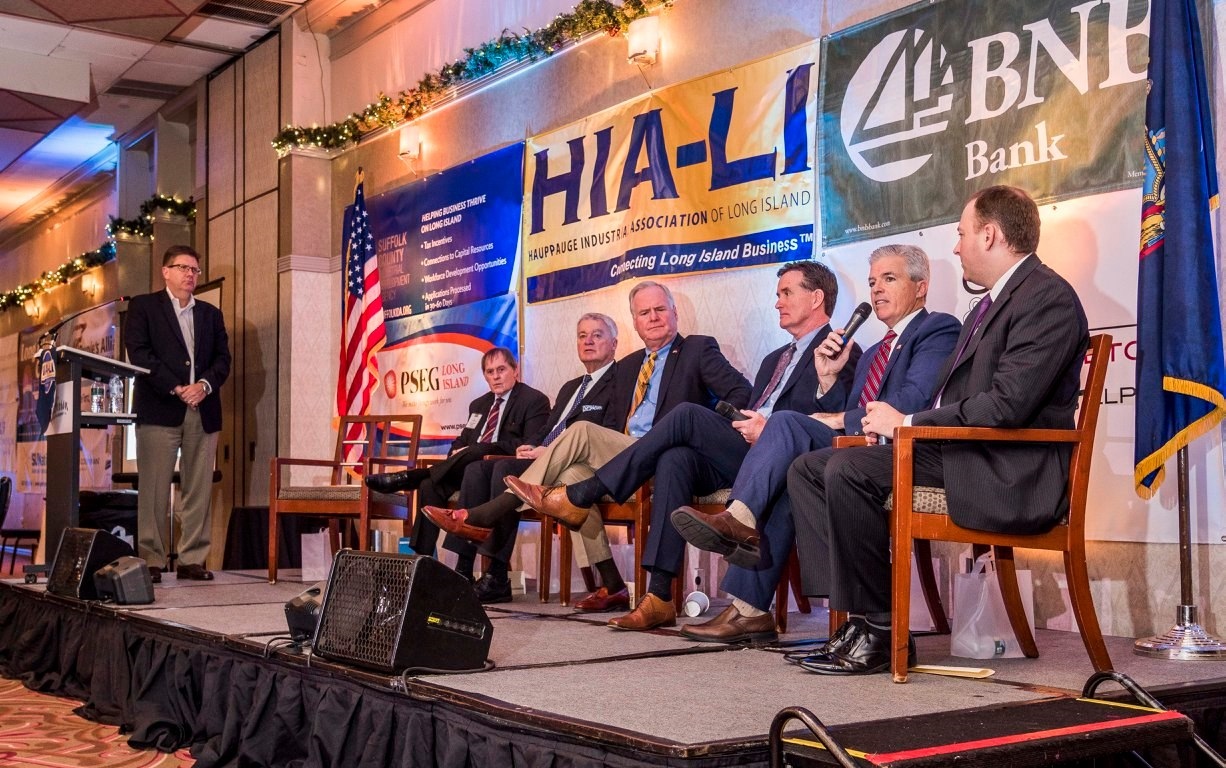
From left: Joe Campolo, Managing Partner, Campolo, Middleton & McCormick, LLP and Chairman, HIA-LI Board of Directors; Smithtown Supervisor Ed Wehrheim; Islip Town IDA Executive Director Bill Mannix; Assemblyman Mike Fitzpatrick; State Senator John Flanagan; County Executive Steve Bellone; and, Congressman Lee Zeldin.

To maintain Long Island’s economic competitiveness for the long run, the public sector needs to maintain a rich dialogue with the private sector.

That’s why HIA-LI takes pride in hosting forums where business and government come together to exchange ideas and to highlight the region’s centers of economic development opportunity.

A classic example was the 42nd HIA-LI Annual Meeting and Legislative Breakfast held January 17 at the Radisson Hotel in Hauppauge.

Attended by more than 350 representatives of Long Island’s business community, our high-octane panel of public officials included Congressman Lee Zeldin, State Senator John Flanagan, Assemblyman Mike Fitzpatrick, Suffolk County Executive Steve Bellone, Smithtown Town Supervisor Ed Wehrheim, and Bill Mannix, Executive Director of the Islip Town IDA.

Moderator Joe Campolo, Managing Partner of Campolo, Middleton & McCormick, LLP and Chairman of HIA-LI’s Board of Directors, emphasized the large percentage of businesses at the Long Island Innovation Park at Hauppauge engaged in value-added “tradeable” sectors exporting goods and services out of the region.

The Park’s “tradeability” ratio ranks “20 percent above the national average” for similar business clusters.

Congressman Zeldin praised Brookhaven National Lab for securing a $2-billion federal award to build an Electron Ion Collider, a project will “inject billions of dollars and an extensive number of jobs into Long Island’s economy.”

Senator Flanagan said his focus in Albany this year would be to “maximize education funding, capital investments such as roads and bridges, and increase funding for the LIRR via the MTA.”

State government must do more to relieve fiscal burdens on localities, said Assemblyman Fitzpatrick, by curtailing its “cost-shifting” practices.

County Executive Bellone highlighted the Nicolls Road Corridor’s role as a platform for the revitalization of Patchogue, the forthcoming Ronkonkoma Hub, new growth at Long Island MacArthur Airport, and the ever-expanding Stony Brook University.

The Long Island Innovation Park at Hauppauge is on a multi-track growth trajectory, said Supervisor Wehrheim, because state, county, and town governments have “put politics aside” and built consensus on success strategies for the Park.

Sewer expansion is key to Suffolk County’s economic growth, said Bill Mannix, citing a recent $10-million state grant to the Town of Islip to extend sewer lines into downtown communities.

As HIA-LI members spend each day focused on growing our own individual enterprises, we also understand the importance of viewing our work within a regional perspective. As evidenced by our Legislative Breakfast, Long Island is fortunate to be represented by elected officials who also understand the value of long-term regional growth.

Bi-Partisan Public-Private Cooperation Propels Long Island’s Economic Growth

2019 Leg Recep Collage

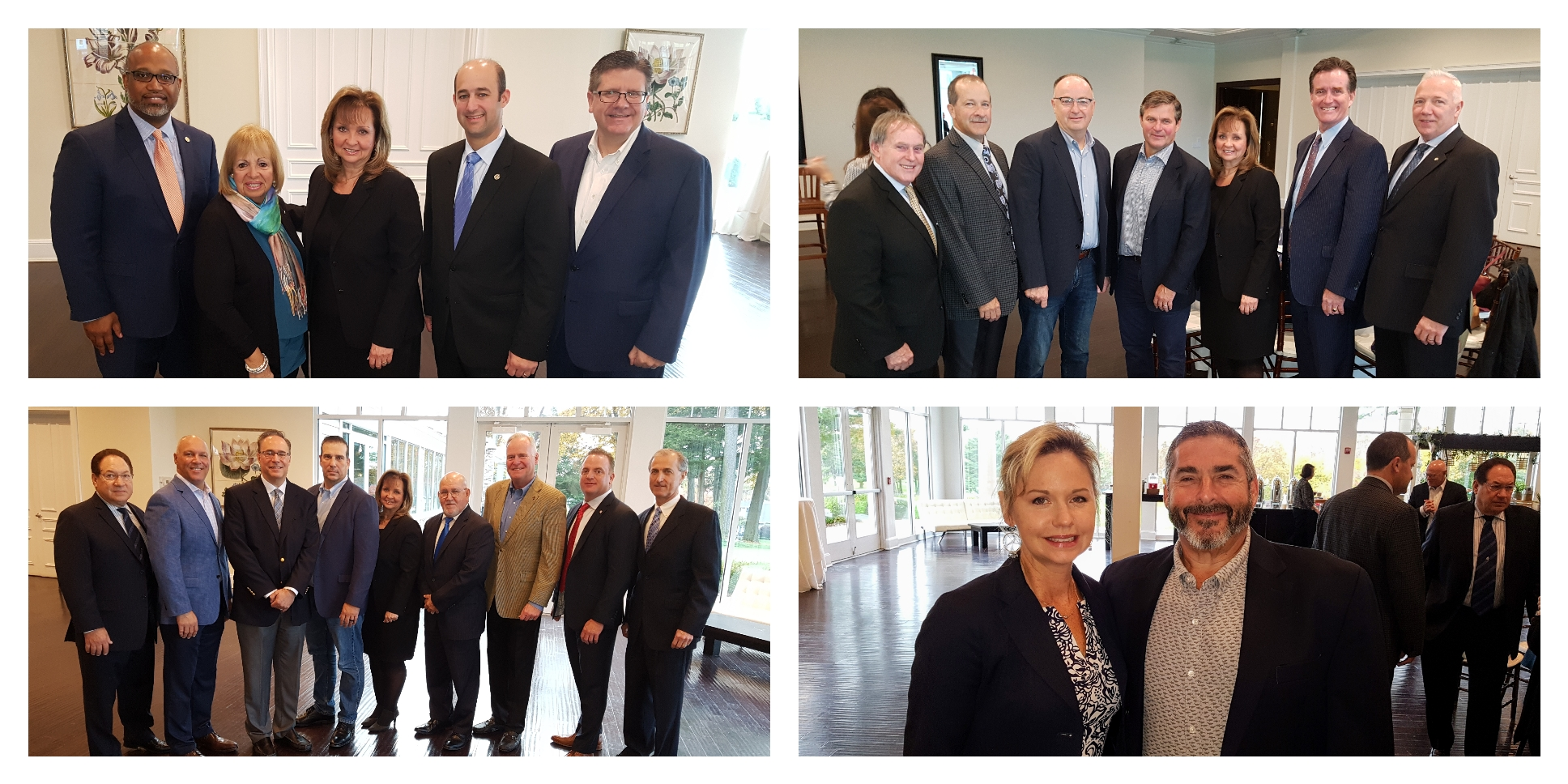
On October 29th the HIA-LI once again gathered for our Annual Board Legislative Breakfast with the goal of reviewing our current initiatives and asking for continued support from our officials.

“Long Island is not only a national treasure, but we’re also a national model for how business and government should partner.”

When HIA-LI Chair Joe Campolo said this to the gathering his words rang true for me – and I think for just about every business executive and government official in the room.

Yes, there’s always going to be some disagreement between public officials and businesspeople. We won’t always see eye-to-eye.

But in Nassau and Suffolk counties, the relationship has been supported by a spirit of cooperation. Indeed, our own Long Island Innovation Park at Hauppauge (LI-IPH) could never have become America’s second-largest innovation park – trailing only Silicon Valley itself – without the kind of cooperation we are talking about.

We were privileged to be joined by Smithtown Supervisor Ed Wehrheim and Councilman Tom Lohmann; Islip Town Supervisor Angie Carpenter; Suffolk County Presiding Officer DuWayne Gregory; Suffolk County Legislators Robert Calarco, Sarah Anker, Bill Lindsay, Susan Berland and Rob Trotta; State Senator John Flanagan; State Assembly Members Michael Fitzpatrick and Steve Stern; and Patchogue Mayor Paul Pontieri. Their presence helped to reinforce the symbiosis shared by the private and public sectors on Long Island.

All of LI-IPH’s past milestones – the childcare center, extra police protection, the exit off the Northern State Parkway, sewage improvements, and increases in permissible building height – required bi-partisan public sector cooperation.

Joe Campolo – Managing Partner at Campolo, Middleton & McCormick, LLP – praised the Suffolk County IDA for helping scores of our members firms expand – and for underwriting the LI-IPH’s 160-page “Opportunity Analysis” that charts a long-term economic revitalization strategy by fostering the growth of competitive, tradeable industries.

Rita DiStefano, HR Consulting Director with Portnoy Messinger Pearl & Associates – who chairs HIA-LI’s Small Business Task Force – told attendees that she recognizes government’s role in supporting small firms, which constitute four-fifths of our membership. Public sector engagement is critical in such areas as financial assistance for business, and workforce training and development.

And Scott Maskin – the CEO of SUNation and Co-Chair of HIA-LI’s Hauppauge Industrial Power Project with HIA-LI Lifetime Board Member Jack Kulka told attendees about the goal of placing solar installations on park rooftops by the end of 2020, helping to meet the Governor’s NY-SUN target of 100 percent renewables by 2040.

HIA-LI proudly facilitates public-private cooperation at all levels with the help of HIA-LI Board Members carrying out our initiatives. It’s a partnership that’s essential to Long Island’s future.

Partnership Between HIA-LI and Town of Smithtown Delivers Long-Term Benefits to the Hauppauge Industrial Park

20190312_102207 (1)
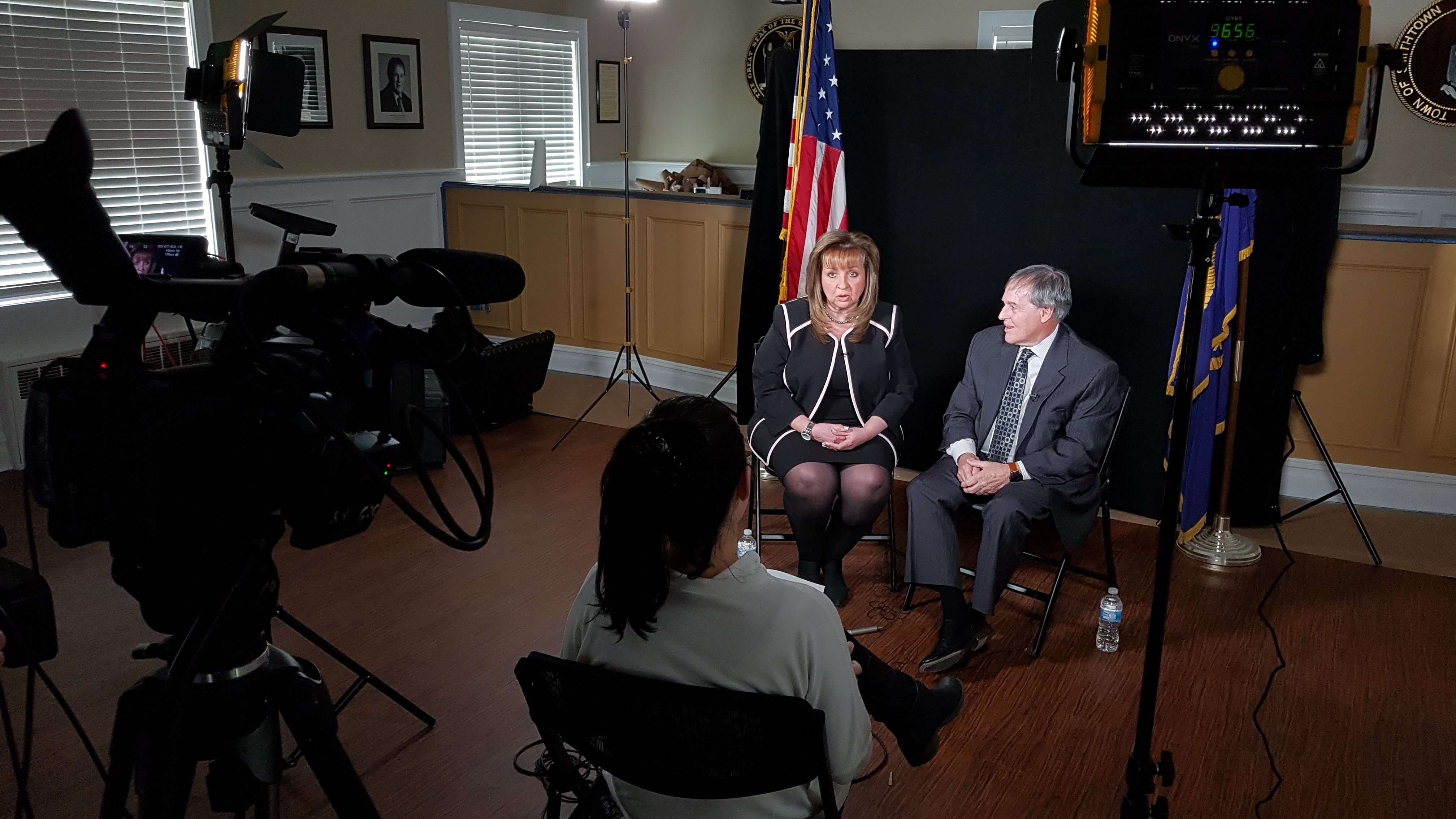
HIA-LI President & CEO Terri Alessi-Miceli is interviewed with Smithtown Supervisor Ed Wehrheim for an upcoming episode of Smithtown Spotlight.

Especially at the local level, you can’t underestimate the importance of the relationship between business and government.

We see it all the time at HIA-LI, where our ability to meet the day-to-day needs of our members – and to achieve our long-term goals – depends upon the quality of our interactions with local municipalities.

The large majority of the Hauppauge Industrial Park (HIP) is situated within the Town of Smithtown, with the balance in the Town of Islip. Happily, we enjoy vigorous support from the elected leaders of both towns.

They are Smithtown Supervisor Ed Wehrheim and Town of Islip Supervisor Angie Carpenter. Both deserve great credit for their support for the Park.

I recently was privileged to join one of these two officials, Supervisor Wehrheim, as a guest on Smithtown Spotlight, on Channel 18 in Smithtown, which is scheduled to air in April 2019.

During the interview, he repeatedly underscored the value of the Town of Smithtown’s partnership relationship with the HIA-LI and the Park.

“From ‘day one,’ we realized how important the Hauppauge Industrial Park is to the sustainability of Smithtown itself,” the Supervisor – elected in November 2017 – said. “There’s a great opportunity for us to partner, and we went full steam ahead to make sure that this happened in this administration.”

Living up to his commitment, for example, Supervisor Wehrheim has been a regular presence at HIP Task Force meetings and activities, where we are devising ways to maximize growth and competitiveness. Institutional participants include Stony Brook University, the Suffolk County IDA, and the Regional Plan Association.

In the past, the Town had done much road reconstruction work associated with the County’s sewer expansion in the Park. I was very pleased to learn that the Supervisor budgeted for several much-needed infrastructure projects including widening Adams Avenue, improving New Highway, upgrading traffic signals, adding new sidewalks, and removing outdated-looking wooden poles. And going forward, future capital improvements, he said, would be budgeted in on an annual basis.

“Even though it is infrastructure work,” he said, “these are all things that will aesthetically make the park very pleasing to business people when they come in to look at it.”

In 2018, Smithtown gave the green light to 740,000 square feet of commercial development in the Park.

Zoning changes have boosted building height limits from 35 feet to 62 feet high along Motor Parkway, with the future prospect of higher structures more deeply into the park.

“New height requirements are going to bring more high-tech businesses to the Park,” he said.

The Supervisor and I also discussed our HIP re-branding initiative which includes a possible name change for Park.  We also talked about potential zoning changes to allow residential development within the HIP.

Supervisor Wehrheim offered some concrete evidence of the Park’s fiscal value for the Town:

“We just received a Triple-A bond rating from Moody’s, the highest level that can be attained,” he said.

Moody’s cited HIP’s value in evaluating the Town’s creditworthiness, as well as Smithtown’s “partner” relationship with the Park.

With some 55,000 employees, HIP represents some $19.6 million in total tax assessed value and generates about $14 billion in annual sales.

“I see great, great things happening in the future, for the Park and for Smithtown as a whole,” said Supervisor Wehrheim. “And working with Terri has been a pleasure. It’s a great relationship to specifically accomplish great things.

“As a partnership, we’ve really stirred up some real interest and I think it’s going to continue,” he said. “At least I’m going to put all my efforts into making that happen.”

Public Officials Talk Business Growth

From left: HIA-LI Board Chairman Joe Campolo; State Assemblyman Michael Fitzpatrick, Smithtown Town Supervisor Ed Wehrheim; Suffolk Presiding Officer DuWayne Gregory; HIA-LI President & CEO Terri Alessi-Miceli; Islip Town Supervisor Angie Carpenter; and, Congressman Lee Zeldin.

Public policy has a major impact upon whether our businesses become profitable and whether our organizations succeed. That’s why HIA-LI regularly brings our members face-to-face with elected officials to discuss issues of concern to the Long Island business sector.

In this spirit, the HIA-LI convened our Annual Meeting and Legislative Breakfast on Friday, January 18 at the Hamlet Golf & Country Club in Commack.

Moderated by Board Chair Joe Campolo – Managing Partner at Campolo, Middleton & McCormick, LLP – the discussion focused on business climate issues, housing, taxes, and other topics.

Panelists included Congressman Lee Zeldin, Assemblyman Michael Fitzpatrick, Islip Town Supervisor Angie Carpenter, Smithtown Town Supervisor Ed Wehrheim, and Suffolk County Legislature Presiding Officer DuWayne Gregory.

Congressman Zeldin and Legislator Gregory cited higher education’s role in sustaining economic growth. “Unemployment is at an all-time low,” the Congressman said, “but a skills gap still exists.” He said Long Island needs a “technical training route” for non-college-bound students.

Presiding Officer Gregory praised Suffolk County Community College for “helping companies fill the skills gap.” He advocated for greater emphasis on STEM learning (science, technology, engineering, and mathematics) to help ensure the competitiveness of our regional workforce.

Supervisor Carpenter praised the Town’s Industrial Development Agency (IDA), noting its high level of accountability because the Town Board also functions as the IDA Board. She pinpointed Castella Imports of Brentwood as a big IDA success story in the Town.

Assemblyman Fitzpatrick said that high taxes – elevated by public sector pensions – have triggered out-migration from Long Island. “If government were smaller,” he said, “and pension costs were lower, we’d have a lower tax burden.”

As an economic development strategy in the Town of Smithtown, Supervisor Wehrheim reported that the Town is now situating workforce housing within business districts. Last summer, site plans were approved for such developments in Smithtown and Commack totaling 154 new units.

In today’s intensely competitive marketplace, the public and private sectors must collaborate and cooperate. Our Annual Legislative Breakfasts help bolster this essential, symbiotic relationship.

Thanks to everyone who helped make this breakfast event a success!