Building Long Island’s Talent Pipeline — Together

Last week, we took an extraordinary step forward for Long Island’s future.

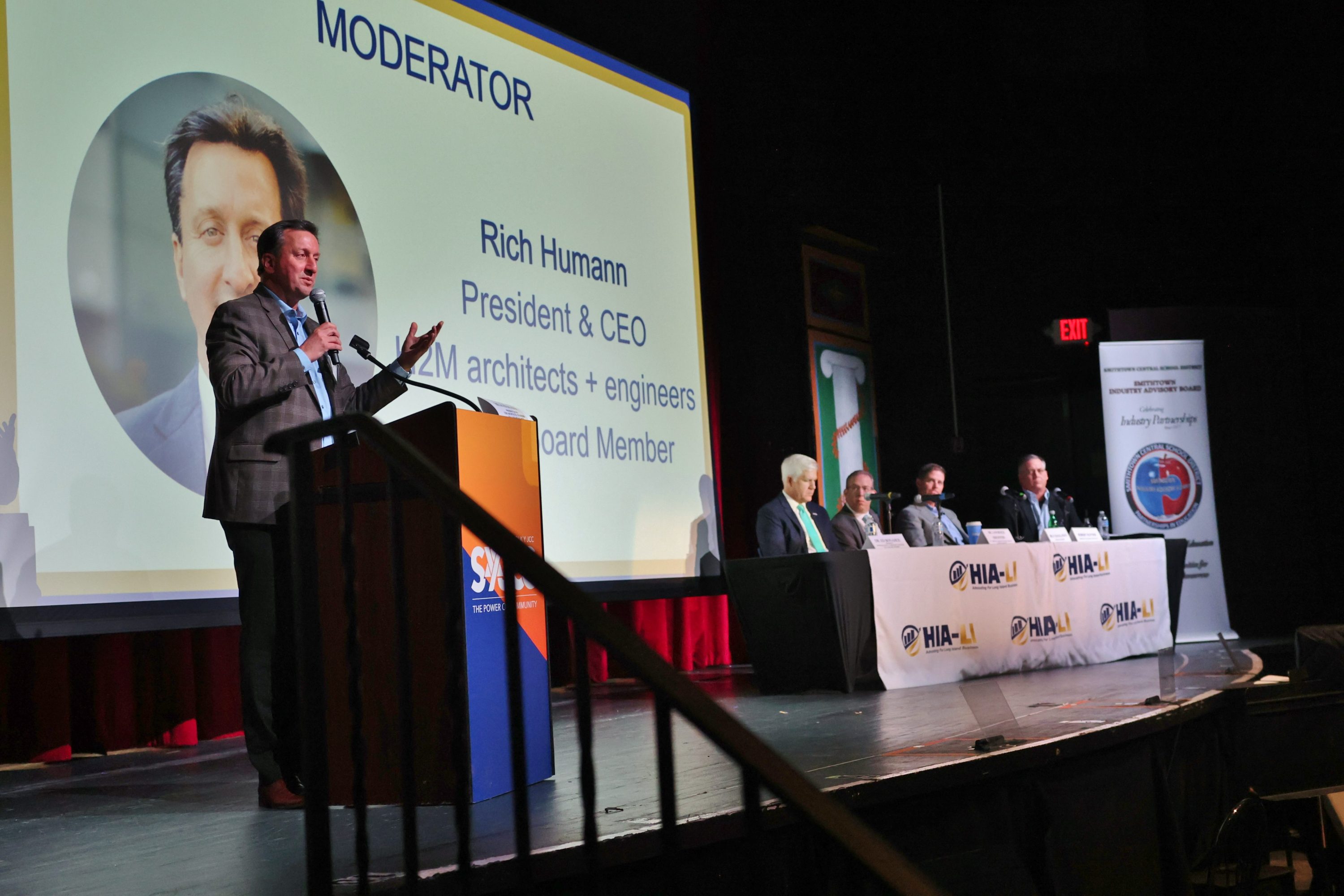
Our first-ever HIA-LI Workforce Summit — held in partnership with the Smithtown Central School District and the Smithtown Industry Advisory Board — brought together more than 300 educators, guidance counselors, and business leaders at the Suffolk Y Jewish Community Center in Commack. It was a packed house, and more importantly, it was a packed conversation.

From the moment attendees walked through the door, there was an unmistakable sense of optimism and purpose. Teachers stood alongside business executives. College presidents spoke with construction and manufacturing leaders. Guidance counselors shared ideas with healthcare professionals. Everyone came with a shared mission: to bridge the gap between education and employment so our young people can build rewarding careers right here on Long Island.

The Start of a New Dialogue

For years, we’ve talked about the challenges of workforce development — the shortage of skilled workers, the exodus of young talent, and the perception that “success” only comes with a four-year degree. The summit showed that this conversation is changing.

What we heard — and felt — was a powerful message of alignment. Business and education both understand that the world of work has evolved, and our approach to preparing students must evolve with it. A college degree remains one valuable path, but so are two-year programs, certificate credentials, apprenticeships, and technical careers that lead to meaningful, well-paid jobs with growth potential.

Several speakers underscored how important it is to remove the stigma that sometimes surrounds the trades and vocational programs. In reality, those routes can open doors to prosperity — often with less debt and more hands-on experience.

Collaboration in Action

What made this summit so inspiring was seeing collaboration happen in real time.

  • State Senator Mario Mattera opened with a passionate call to unite business, labor, and education to build the workforce of tomorrow.
  • Rich Humann of H2M architects + engineers and Dr. Ed Bonahue of Suffolk County Community College — both HIA-LI Board Members and Co-Chairs of our Workforce Development Task Force — shared how we can better align education with industry demand.
  • Our keynote speakers, Michael Woods and Janine Lalia from the CTE Technical Assistance Center of New York, reminded us that true career readiness begins in our classrooms — where teachers and counselors help students see all the pathways to success.
  • Industry leaders like Billy Haugland II, Robert Kufner, and Dr. Lawrence Eisenstein showed that construction, manufacturing, and healthcare all have incredible stories to tell — stories that can inspire young people to build their futures right here at home.
  • And Phil Como from the Smithtown Industry Advisory Board brought it all together, emphasizing how partnerships like these directly benefit students — connecting education to opportunity.

The Momentum Ahead

The summit reinforced something I’ve long believed: when we put educators and employers in the same room, great things happen. Conversations turn into partnerships. Ideas turn into programs. And most importantly, young people begin to see new possibilities for their future.

Our HIA-LI Workforce Development Task Force will continue driving this momentum forward. We’ll keep facilitating these dialogues, supporting school-business partnerships, and expanding awareness of the incredible career opportunities that exist across Long Island’s innovation ecosystem.

The feedback from the summit has been overwhelmingly positive — from educators grateful for the insight, to business leaders eager to stay involved. But this is only the beginning.

We now have a foundation, a shared understanding, and a growing network of partners ready to take action. The challenge — and the opportunity — is to keep that conversation going.

Looking Forward

Long Island’s future depends on how well we prepare our next generation to thrive — not just in classrooms, but in careers that matter. The summit proved that we have both the passion and the partnerships to make that happen.

Together, we’re building a stronger, smarter, more connected Long Island — one that keeps our talent here, strengthens our economy, and ensures every student sees a future filled with promise.


Click here to download our workforce development report, Innovating the Talent Pipeline: Strategies for Workforce Development in the Long Island Innovation Park at Hauppauge. This 54-page report, developed by the Workforce Development Institute in collaboration with HIA-LI and the Suffolk County Industrial Development Agency, outlines the critical need for stronger industry-academia partnerships to prepare students for careers that are in-demand.

Fueling Long Island’s Future: A Blueprint for Smart, Sustainable Growth

At HIA-LI’s recent Economic Development Symposium, we welcomed a room full of business leaders, public officials, and visionaries who share a common belief: that Long Island’s economic future can—and must—be shaped intentionally, inclusively, and strategically.

The forum underscored what we already know to be true: sustainable economic growth doesn’t happen by chance. It’s built on a foundation of smart investments, bold leadership, and the willingness to rethink the systems we’ve inherited.

Building Livable Communities Through Collaboration

One consistent theme that emerged was the critical importance of collaboration between government and the private sector. Angie Carpenter, Supervisor of the Town of Islip, made it clear that responsible economic development must go hand-in-hand with quality-of-life investments. Her town is not only reimagining downtown Central Islip through a $10 million Downtown Revitalization Initiative but also leveraging the economic power of MacArthur Airport to create jobs and attract investment. With five airlines and 18 non-stop destinations—including new service from JetBlue and Avelo—Islip is proving that modern infrastructure is essential to regional vitality.

Economic Development with a Human Face

At the Suffolk County IDA, Kelly Murphy is driving investment that is both data-informed and community-centered. Her team helped generate over $214 million in payroll last year, through projects that didn’t just create jobs—they created careers. The IDA’s focus on “Long Island First” encourages companies to hire locally and reinvest in the region, from expanding manufacturers at the Long Island Innovation Park at Hauppauge to family-owned businesses like Casanova Meats. These aren’t abstract numbers; they’re direct investments in families, futures, and neighborhoods.

That focus on workforce development is aligned with the region’s recent progress. According to data recently announced by Governor Kathy Hochul, Long Island added 91,000 non-farm jobs between 2020 and 2024—an impressive 7.1% increase. Healthcare led the way with more than 24,000 new positions, while construction rose 10%, creating over 8,000 jobs. Even more encouraging: unemployment dropped from 4.5% to 3.8%, a signal that targeted investments are paying off across the board.

Solving the Housing Crisis: A Prerequisite for Economic Growth

No conversation about Long Island’s future can avoid the issue of housing. Jimmy Coughlan, Executive Vice President at TRITEC Real Estate, laid out the stark reality: of counties in the U.S. with a population of at least 1.5 million, Suffolk County is the second largest by area and by population, but dead last nationwide in new housing starts. Nassau County, right next door, doesn’t fare much better. Both counties lag behind high-growth regions like Charlotte, Nashville, and Raleigh—places that have embraced new development to attract and retain talent.

The consequences here are clear: young professionals are being priced out, businesses can’t attract the workforce they need, and our region’s growth potential is being constrained. The housing market, like any market, is a function of supply and demand—and on Long Island, we’re simply not producing enough supply.

But Coughlan didn’t come with just problems—he brought solutions. Smart growth. Transit-oriented development. Streamlined approvals. Flexible affordability mandates that make projects financially viable. TRITEC’s work in Bay Shore and Ronkonkoma proves that when developers and local governments work together, vibrant communities follow.

A Model for Regional Growth: The Long Island Innovation Park

In the Town of Smithtown, Supervisor Ed Wehrheim has made the Long Island Innovation Park at Hauppauge a centerpiece of his economic development agenda. The park now supports over 55,000 jobs, contributes $13 billion in economic output, and houses leading companies in sectors like aerospace, biopharma, IT, and advanced manufacturing.

Wehrheim’s vision for a “live, work, play” district—with mixed-use zoning, modern infrastructure, and expanded sewer capacity—is already attracting the younger workforce Long Island needs to stay competitive. His town’s track record—AAA bond rating, zero fiscal stress, thriving downtowns—is a model for how proactive leadership fuels prosperity.

A Call to Action

At HIA-LI, we believe in the power of partnerships. What we heard at this year’s Economic Development Symposium wasn’t just a list of projects or statistics—it was a blueprint for how to move forward as a region. It starts with embracing innovation, investing in infrastructure, building housing for every generation, and supporting the businesses that power our economy.

Long Island’s future isn’t written yet. But with bold thinking and shared purpose, we’re well on our way to building it—together.

Long Island’s Economic Landscape: Insights from HIA-LI’s 31st Annual Economic Summit

John Fitzgerald, Partner at Citrin Cooperman, reviewed the survey results and served as moderator of the panel.

Last week, over 200 business leaders gathered at HIA-LI’s 31st Annual Economic Summit to discuss the findings of our latest Economic Survey, conducted in collaboration with Citrin Cooperman and Adelphi University. This event is one of the most valuable touchpoints for our business community, providing data-driven insights that help shape strategic decisions for the year ahead.

Optimism and Challenge: Long Island’s Economic Climate

The 2025 HIA-LI Economic Survey revealed a complex economic picture—one of optimism, growth, and persistent challenges. Among the key takeaways:

  • 54 percent of business leaders believe Long Island’s economy is growing.
  • 70 percent of businesses met or exceeded their 2024 profitability goals.
  • 42 percent of businesses plan to expand their footprint on Long Island.
  • However, 71 percent of respondents cited retention of young professionals as a major concern.
  • High taxes and inflation remain top issues affecting profitability.

These findings reinforce what we see daily at HIA-LI: businesses are resilient and committed to Long Island, yet they face systemic hurdles that require strategic solutions and collaboration.

Infrastructure: A Game Changer for Economic Growth

One of the most exciting discussions of the summit centered on infrastructure investments, particularly the $150 million state investment in MacArthur Airport, announced last week by Governor Kathy Hochul. This initiative, championed by Islip Town Supervisor Angie Carpenter, will create a direct rail connection to the Long Island Rail Road, making regional travel and business operations more efficient.

Christine Flaherty, Senior Vice President of Real Estate Development and Facilities at Catholic Health, highlighted the critical role of healthcare infrastructure in supporting Long Island’s economic vitality. With Catholic Health’s continued investment in ambulatory care centers and telehealth services, the region is strengthening its healthcare ecosystem, which directly impacts business productivity and workforce retention.

Meanwhile, Rich Humann, President & CEO of H2M Architects + Engineers, emphasized how modernizing Long Island’s infrastructure through smart technology and digital transformation will be a catalyst for economic stability and business growth.

Workforce and Housing: The Retention Crisis

The top challenge facing Long Island businesses continues to be talent retention and workforce development. The survey found that 46 percent of business leaders report increasing difficulty in hiring quality candidates—nearly triple the percentage from two years ago.

The lack of affordable housing compounds this issue. John Finn, Director of Leasing and Acquisitions at Damianos Realty Group, stressed that housing affordability is at a crisis level, with local governments needing to rezone and expand housing options to keep young professionals on Long Island.

Meanwhile, Diane Manders, CEO of Habitat for Humanity of Long Island, highlighted that applications for affordable homeownership have skyrocketed by 600 percent in the past five years, signaling an urgent demand for solutions.

The Role of Finance: Navigating Inflation and Growth

Despite the positive business outlook, inflation and rising interest rates remain significant concerns. Brian Teplitz, Chief Credit Officer at Dime Bank, pointed out that while business lending remains competitive, borrowing costs are rising, and companies must adapt their financial strategies accordingly.

Yet, businesses are determined to grow. Many survey respondents indicated plans for capital improvements in 2025, with technology investments being a top priority. This reinforces the need for public-private collaboration to create policies that support business expansion while mitigating financial risks.

Bridging Business, Government, and Education

The panel discussion, moderated by John Fitzgerald, Partner at Citrin Cooperman, was dynamic and solutions-driven. It became clear that businesses, government leaders, and educational institutions must align efforts to address these challenges.

At HIA-LI, we continue to advocate for:

  • Workforce development initiatives that build talent pipelines.
  • Infrastructure expansion to enhance economic opportunities.
  • Policies that make Long Island a competitive place to live and work.

Looking Ahead: Solutions, Not Just Data

The 31st Annual Economic Summit was more than just a snapshot of Long Island’s economy—it was a call to action. We have the resources, talent, and expertise to tackle these challenges, but collaboration is key.

To every business leader, policymaker, and stakeholder who participated: thank you. Your engagement fuels the work we do. As we move forward, HIA-LI remains committed to driving solutions that ensure Long Island’s economic future is strong, sustainable, and forward-thinking.

Let’s continue the conversation. If you’re not yet involved, now is the time. Join us in shaping the future of Long Island.

To view the full Economic Survey, click here.

Infrastructure, Housing, and Sustainability: The Roadmap from HIA-LI’s Annual Meeting

On January 17, 2025, HIA-LI hosted its 47th Annual Meeting and Legislative Program, bringing together over 400 business leaders, elected officials, and dignitaries to discuss pressing issues and opportunities for Long Island’s economic growth. As I stood before this incredible audience, I couldn’t help but feel a deep sense of pride in how far we’ve come as a community and how determined we are to overcome the challenges ahead.

The event underscored the vital role HIA-LI plays in advocating for our members, connecting stakeholders, and driving meaningful action for the region. With leaders like Congressman Nick LaLota, Suffolk County Executive Ed Romaine, Suffolk County Presiding Officer Kevin McCaffrey, Islip Town Supervisor Angie Carpenter, and Huntington Town Supervisor Ed Smyth contributing to the dialogue, we demonstrated that collaboration between government and business is the foundation for Long Island’s prosperity.

The discussion was expertly guided by Joe Campolo, Managing Partner at Campolo, Middleton & McCormick, LLP, an HIA-LI board member, and Chair of our Long Island Economic Development Task Force. Joe’s skillful moderation ensured that key issues were explored in depth while keeping the conversation engaging and solution-focused.

Building a Business-Friendly Environment

The theme that resonated throughout the meeting was the critical need to create a more business-friendly Long Island. Congressman LaLota addressed the ongoing efforts to increase the State and Local Tax (SALT) deduction cap, emphasizing how this federal tax relief is essential for sustaining businesses and families in one of the most highly taxed regions in the nation.

At the local level, County Executive Romaine highlighted Suffolk County’s focus on infrastructure investments, including sewer expansion—a linchpin for economic development. Supervisors Carpenter and Smyth echoed this sentiment, emphasizing the importance of keeping businesses here and enabling growth through infrastructure support. Presiding Officer McCaffrey added his perspective on the importance of workforce development programs to ensure Long Island remains competitive. The unified message was clear: Long Island must continue to fight for its fair share of federal and state funding to maintain its position as an economic engine.

Infrastructure as the Cornerstone of Progress

One of the key takeaways from the meeting was the critical importance of infrastructure development, especially in areas like sewer systems, transportation, and clean water initiatives. As the second-largest industrial park in the nation, the Long Island Innovation Park at Hauppauge (LI-IPH) is a cornerstone of our regional economy, contributing over $13 billion annually. Yet, the lack of adequate sewer systems throughout the bi-county region remains a significant barrier to attracting new businesses and housing opportunities.

The urgency of addressing this was underscored by multiple leaders. Supervisor Smyth reminded us that “sewers are everything,” illustrating the environmental and economic consequences of outdated systems. Both Romaine and Carpenter stressed the need for careful, long-term planning to ensure that infrastructure projects like sewers, roadways, and renewable energy initiatives align with Long Island’s growth trajectory. These investments are not just critical for businesses but for the overall quality of life for residents.

Housing: A Challenge and an Opportunity

Housing emerged as another pivotal issue—one directly tied to workforce retention and economic vitality. The consensus was clear: Long Island needs more affordable housing to prevent the exodus of young professionals and families. In Islip, projects like TRITECH’s Shoregate in Bay Shore and the proposed housing at Pilgrim State exemplify how transit-oriented development can revitalize communities and create sustainable growth.

However, as Supervisor Carpenter pointed out, housing projects cannot succeed without the infrastructure to support them. Presiding Officer McCaffrey highlighted the need to balance housing development with the preservation of Long Island’s unique suburban character, ensuring that growth is sustainable and community focused. The call to action for state and federal partners was loud and clear—Long Island needs the resources to build not just homes but the roads, sewers, and public transit that make those homes viable.

Sustainability: A Forward-Thinking Priority

Environmental sustainability was another key focus. With Long Island’s unique position as a sole-source aquifer region, preserving water quality and managing waste are non-negotiable priorities. As landfill closures like Brookhaven’s loom, waste management has become a critical issue requiring regional solutions. Romaine, Carpenter, and Smyth emphasized the importance of recycling innovation and leveraging state resources to address these challenges.

HIA-LI is proud to support initiatives like the Suffolk County solar program and workforce development programs that integrate sustainability into our economic goals. These efforts align with our broader mission to ensure that Long Island’s growth is both responsible and forward-looking.

The Path Ahead: Action and Advocacy

As we move into 2025, our focus at HIA-LI is clear: continue building partnerships, amplifying the voice of Long Island businesses, and driving solutions for critical issues like infrastructure, housing, and sustainability. We are not just advocating for change—we are actively working with government and private sector leaders to implement it.

This year, we’ll host programs like the Workforce Development Summit and the Women’s Leadership Conference, fostering opportunities for innovation and collaboration. We’re also committed to expanding our footprint, with a 15 percent membership increase in 2024 already strengthening our collective voice.

To every business owner, elected official, and community leader who attended the meeting: thank you for being part of the conversation. Your engagement is what makes our work possible. Together, we can make 2025 a banner year for Long Island, one that sets the standard for economic resilience and community growth.

Let’s keep the momentum going. If you’re not already involved, I encourage you to join us. Let’s advocate louder, collaborate stronger, and ensure that Long Island’s best days are ahead.

Charting the Future of Long Island’s Construction and A&E Industries

Over 200 leaders from Long Island’s construction, architecture, and engineering sectors gathered on Thursday, December 12, 2025 for a breakfast event that was as insightful as it was impactful. Hosted by HIA-LI in collaboration with the Long Island Builders Institute and the Long Island Contractors Association, the event spotlighted the findings of the Grassi 2024 Construction and Architecture & Engineering (A&E) Industry Survey Report. It was a morning of thoughtful discussion, led by highly respected voices in our community.

The program began with opening remarks from Marc Herbst, Executive Director of the Long Island Contractors Association, who set the tone by emphasizing the critical role these sectors play in the bi-county region’s economic vitality. Carl Oliveri, Partner and Construction Practice Leader at Grassi, skillfully moderated the panel, which included Robert Brewer, Partner and A&E Practice Leader at Grassi; Jimmy Coughlan, Executive Vice President and Partner at TRITEC; Rich Humann, President & CEO of H2M architects + engineers; and Devin Kulka, CEO of The Kulka Group. Each speaker brought unique perspectives on the survey’s findings, and together, they painted a comprehensive picture of where we stand — and where we’re headed.

Insights and Challenges from the Survey

The survey provided an honest assessment of the current landscape for construction and A&E firms, capturing feedback from 248 industry leaders. While optimism about revenue growth in 2024 is strong — 56% anticipate an increase — there’s no denying the headwinds our region faces.

The Challenges:

  1. Labor Shortages
    Labor shortages remain a top concern, with over half of respondents citing this as the most significant challenge. The scarcity of skilled workers isn’t just a business problem; it’s a community issue. It impacts the pace of development and the ability to meet growing housing and infrastructure needs.
  2. Inflation and Rising Costs
    Inflation, coupled with escalating material and overhead costs, continues to squeeze margins. Eighty-three percent of firms reported increased overhead costs, with many facing double-digit hikes. This reality forces companies to make tough choices and adapt to maintain profitability.
  3. Supply Chain Disruptions
    While supply chain issues have eased somewhat, they remain a persistent challenge. Many firms are turning to innovative solutions such as diversifying suppliers and locking in prices through agreements to mitigate volatility.

The Opportunities:

  1. Technological Investments
    Companies across the sector are embracing advancements like project management software, artificial intelligence, and building information modeling. These tools are enhancing efficiency and helping firms stay competitive in a rapidly evolving market.
  2. Cybersecurity Leadership
    Long Island’s A&E firms are leading the way in cybersecurity, with 96% implementing robust protocols, including dual-factor authentication. This commitment to protecting sensitive data is a model for other industries.
  3. Optimism in Residential Construction
    Despite challenges, there is cautious optimism about residential construction, particularly here in Nassau and Suffolk counties. This is a positive indicator of the region’s resilience and its ability to adapt to market demands.

What This Means for Long Island

The findings of this survey are a mirror reflecting both the promise and the pressures of doing business in our region. As we look to 2025, it’s clear that collaboration will be key to addressing these challenges. Workforce development must take center stage. HIA-LI is committed to working with local schools, trade groups, organized labor, and government agencies to cultivate a pipeline of skilled workers who can sustain this vital industry.

At the same time, our businesses must continue to innovate. Investments in technology and strategic partnerships will not only help firms weather economic uncertainties but also position Long Island as a hub for cutting-edge construction and engineering practices.

Finally, we must celebrate our strengths. The construction and A&E industries are pillars of our economy, contributing to the development of homes, offices, schools, and infrastructure that enhance our quality of life. By supporting these sectors, we are investing in the future of our entire community.

A Call to Action

To the leaders in attendance last week: Thank you for your insights, your dedication, and your vision. Let’s continue to work together to strengthen Long Island’s position as a leader in innovation and growth. And to those who couldn’t attend, I encourage you to engage with the findings of this report. The challenges are real, but so are the opportunities.

Together, we can rise to meet them.

Bridging the Gap: How HIA-LI’s ‘Setup For Success’ Shadowing Program is Building Tomorrow’s Workforce

In today’s fast-paced world, the connection between education and industry is more critical than ever. Employers across Long Island — and indeed, across the country — are facing a growing challenge: finding skilled workers to fill the positions that drive our economy forward. Yet, despite the abundance of job opportunities, many of these positions remain unfilled due to a shortage of qualified candidates. This is a challenge that HIA-LI, in partnership with the Smithtown School District’s Industry Advisory Board (IAB), is taking head-on with the launch of our new “Setup for Success” Shadowing Program.

A Direct Response to Workforce Needs

The “Setup for Success” Shadowing Program is a strategic move to address the pressing workforce development issues identified in HIA-LI’s 2023 report, Innovating the Talent Pipeline: Strategies for Workforce Development in the Long Island Innovation Park at Hauppauge. This 54-page report, developed in collaboration with the Suffolk County Industrial Development Agency and the Workforce Development Institute, outlined the critical need for stronger industry-academia partnerships to prepare students for careers that are in-demand. Click here to view the report. The gap between education and industry has been growing, and employers are feeling the pinch as they struggle to fill skilled positions.

As highlighted in our report, there’s a significant disconnect between the skills being taught in our schools and the needs of today’s job market. Too few students are pursuing career paths that align with the high-demand sectors on Long Island, leaving companies in desperate need of qualified professionals. Our “Setup for Success” Shadowing Program is a direct response to this issue, aiming to bridge that gap by giving students real-world exposure to the careers they might one day pursue.

Inspiring the Next Generation

The program invites HIA-LI member and non-member companies alike to open their doors to Smithtown High School students for a day of shadowing. This experience allows students to observe, engage, and immerse themselves in various career areas, helping them gain a clearer understanding of the professional world. It’s an invaluable opportunity for these young individuals to set and achieve their career goals with confidence and foresight.

The program is more than just an opportunity for students — it’s a chance for companies to invest in the future of our region. By participating, employers can inspire the next generation of professionals and contribute to the growth and development of the Long Island workforce.

Building Stronger Industry-Academia Partnerships

At the heart of this initiative is the recognition that early career exposure is crucial for students. By collaborating with industry leaders, we can ensure that education and training efforts at all levels are aligned with the needs of today’s job market.

For companies, the benefits of participating are many. Not only do they get to showcase their work environments and the diverse career opportunities available, but they also play a pivotal role in shaping the career paths of young professionals. It’s a win-win situation for both the students and the organizations involved.

Get Involved: Shaping the Future Workforce

The ‘Setup for Success’ Shadowing Program is a flexible and impactful opportunity for companies to make a meaningful difference. The shadowing experience typically lasts between three to five hours, providing students with a snapshot of a typical workday without disrupting their regular school schedule. Companies interested in participating can express their interest by filling out a simple form here.

We at HIA-LI are excited to see the effect this program will have on Long Island’s future workforce. By working together, we can ensure that our students are not only prepared for the careers of tomorrow but are also inspired and equipped to thrive in them. Let’s bridge the gap between education and industry and set our future workforce up for success.

Lastly, I want to thank the co-chairs of HIA-LI’s Workforce Development Task Force — Rich Humann, President and CEO of H2M Architects and Engineers, and Dr. Edward Bonahue, President of Suffolk County Community College — for their invaluable guidance and support for this initiative, as well as Phil Como, Executive Director of the Smithtown IAB.

For more information about the “Setup for Success” Shadowing Program, contact Halle Grossman at HIA-LI at 631-543-5355 or hgrossman@hia-li.org.

A New Era of Health and Productivity at the Long Island Innovation Park at Hauppauge

At HIA-LI, we are always looking for ways to further enhance the Long Island Innovation Park at Hauppauge (LI-IPH) and make it a thriving hub for business and innovation. I am excited to share with you our latest collaboration with Catholic Health, a partnership that promises to significantly boost workforce productivity and well-being within the largest innovation park in the northeast.

Enhancing Workforce Health and Productivity

Our collaboration with Catholic Health aligns perfectly with the recommendations from the Hauppauge Industrial Park Opportunity Analysis. The study highlighted the need for amenities that create a more dynamic live-work environment and promotes business growth. By introducing features that improve health and quality of life, we are paving the way for a more vibrant and productive workforce.

Comprehensive Health Services at Your Doorstep

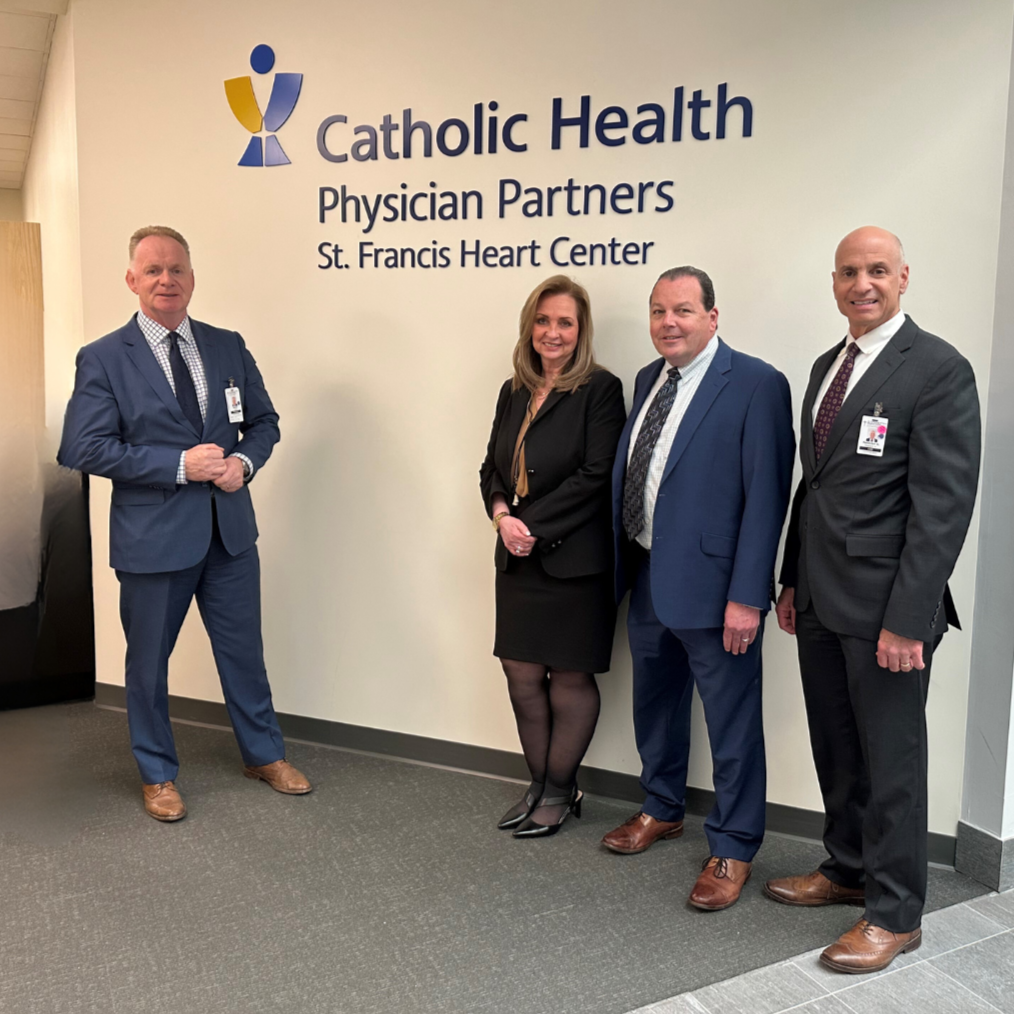
What makes this collaboration possible is Catholic Health’s Ambulatory Care Center at Commack, conveniently located adjacent to the LI-IPH. This state-of-the-art facility will offer LI-IPH employees access to highly skilled physicians from multiple clinical specialties, all in one easily accessible location. Whether it’s primary care, accredited rehabilitation, or specialized services such as orthopedics and radiology, HIA-LI employees will have top-notch healthcare right at their doorstep.

Our employees will also benefit from a range of services provided by St. Francis Heart Center-affiliated physicians, comprehensive imaging services at St. Catherine Diagnostic Imaging, and much more. This proximity to high-quality healthcare is a tremendous asset for companies considering a move into the Park, as it underscores our commitment to the health and well-being of our workforce.

A healthy workforce is not just beneficial for individual well-being but is also a cornerstone of economic growth. As Carol A. Allen, Chairperson of the HIA-LI Board, aptly noted, “A healthy workforce is a productive workforce, and a productive workforce fortifies the Long Island economy.” Through our partnership with Catholic Health, we are taking significant strides to ensure that the businesses and non-profits within the Innovation Park can enhance their competitiveness through improved productivity.

A Visionary Partnership for the Future

I want to extend my heartfelt thanks to Dr. Patrick O’Shaughnessy, CEO of Catholic Health, and Declan Doyle, President of St. Catherine of Siena Hospital, for their visionary leadership in developing this partnership with us. Their dedication to providing compassionate and patient-centered care aligns seamlessly with our mission at HIA-LI.

During our recent Open House at the Ambulatory Center in Commack, HIA-LI members had the opportunity to tour the facility and meet the medical staff. The feedback was overwhelmingly positive, with attendees impressed by the state-of-the-art amenities and the quality of care available. This event highlighted the potential of our collaboration to significantly impact the health and productivity of our workforce.

Looking Ahead

This partnership is just the beginning. We anticipate that our collaboration with Catholic Health will lead to more effective workplace health programs and policies among Park employers. The availability of on-site wellness visits, telehealth services, and potential additional programming such as joint health campaigns and employee onboarding services will further enhance the quality of life for our employees.

Joe Campolo, Chair of HIA-LI’s Long Island Innovation Park at Hauppauge Task Force, expressed it well when he said, “This dynamic partnership has the real potential to reduce health risks and improve the quality of life for thousands of Long Island workers.” As we move forward, we are committed to exploring new opportunities and initiatives that will benefit our members and the broader community.

In conclusion, our collaboration with Catholic Health is a testament to our commitment to fostering a thriving, healthy, and productive environment at the Long Island Innovation Park at Hauppauge. We look forward to the positive impact this partnership will have on Park employees, our members, and the Long Island economy as a whole.

The Pulse of Progress: Exploring the Transformative Impact of the LI-IPH on Long Island’s Economy

As the President and CEO of HIA-LI, I am proud that HIA-LI continues to serve as the steward and advocate for the Long Island Innovation Park at Hauppauge (LI-IPH).

One important recommendation that came out of the LI-IPH’s April 2019 Sustainability Study was that we should take a serious look at integrating workforce housing into the Park. It’s a concept in keeping with the “live-work-play” model that has worked so successfully in other Long Island communities such as Patchogue, Ronkonkoma, Farmingdale, and Bay Shore.

To that end, we teamed up with the Long Island Builders Institute (LIBI) and convened a March 28 meeting of residential developers to discuss opportunities in the Park. Joining me at the roundtable discussion was Michael Florio, LIBI’s CEO; Joe Campolo, Managing Partner at Campolo, Middleton & McCormick, LLP, an HIA-LI Board Member, and Chair of our Economic Development Task Force; Peter Hans, the Town of Smithtown Planning Director; and Cara Longworth, Vice President and Long Island Regional Director of Empire State Development.

Cara Longworth discussed the Long Island Investment Fund (LIIF), which focuses on large-scale, transformative projects that will have lasting impacts on the bi-county region. Eligibility for the fund was expanded last year to include infrastructure for transformative multi-family housing development projects to support regional industry growth.

She added that municipalities that achieve the State’s “Pro-Housing Communities” designation – because of their hard work to address the housing crisis – will receive priority in their applications for funding streams like LIIF.

Peter Hans spoke about zoning issues, specifically the town’s overlay district – approved in 2019 – which now permits residential development on certain parcels in the LI-IPH depending on size and location. Right now, Peter said there are 13 parcels eligible for mixed use/residential development.

The dialogue continued on April 16 when we welcomed a distinguished panel to discuss the immense opportunities at the LI-IPH. This event – titled “Why Do Business in the Largest Innovation Park in the Northeast” – was held at the Suffolk Y Jewish Community Center in Commack. It underscored our collective commitment to fostering economic growth and innovation at the LI-IPH.

The numbers are worth repeating: LI-IPH houses 1,350 companies who employ 55,000 workers and generate $13 billion in economic output. In short, one in 20 jobs on Long Island are dependent on the fiscal vitality of the LI-IPH. That’s impressive.

The morning began with inspiring opening remarks from Suffolk County Executive Ed Romaine; Town of Islip Supervisor Angie Carpenter; and Smithtown Councilman Tom Lohmann, the town board’s liaison to the LI-IPH. Their insights set the stage for a robust dialogue on the strategic advantages of doing business in the Park.

Moderated by Joe Campolo, the subsequent panel discussion featured key stakeholders including Kelly Murphy, Executive Director and CEO of the Suffolk County Industrial Development Agency (IDA); Mike Narula, CEO of Orbic, a firm new to LI-IPH that will be bringing a thousand new jobs from India; alongside Angie Carpenter and Tom Lohmann. Each panelist provided a unique perspective on the evolution and future of the LI-IPH.

Our panelists shared exciting developments within LI-IPH, including the sale of a $21 million vacant data center to Links Logistics, the transformation of a $5.3 million deal into a new headquarters for E+M Logistics, and a $44 million investment by Venture One Acquisition to create new industrial space. These investments not only demonstrate the economic vitality of LI-IPH but also highlight our adaptability and forward-thinking approach to growing our infrastructure and meeting the business needs of park tenants as well as the Long Island region.

Joe Campolo’s presentation focused on the transformation of LI-IPH from a traditional industrial park to a thriving innovation hub. He outlined the concept of an “Edge City,” which integrates business, entertainment, and living spaces, allowing for a dynamic community where individuals can live, work, and thrive without long commutes. This concept has turned LI-IPH into a model for modern economic development.

The Suffolk County IDA has been instrumental in supporting this transformation. Kelly Murphy noted that over the past six years, the IDA has facilitated significant investments that have led to job creation and retention, enhancing the economic fabric of Suffolk County.

Over the past three years alone, the Suffolk IDA has provided support to 21 projects in the LI-IPH, with a total private capital investment of more than $527 million, a total of nearly 5,000 jobs created or retained, with an annual payroll in excess of $350 million.

The Suffolk IDA’s efforts underscore the powerful impact of strategic governmental partnerships in regional economic development.

Council Lohmann spoke about a recent HIA-LI/Town of Smithtown partnership that saw the installation of over 400 sponsored flags throughout the LI-IPH, a visual representation of our pride and collective identity as a major economic engine. This branding effort – combined with new entryway signage thanks to the town – helps solidify the park’s presence in the community and beyond, reinforcing our role as a key player in Long Island’s economic landscape.

Conclusion: A Bright Future Ahead

As we look to the future, LI-IPH continues to be a beacon of innovation and economic prowess. Our ongoing initiatives, such as the development of workforce housing and infrastructure improvements, are poised to enhance our competitiveness and attractiveness to businesses and professionals alike. The discussions held during these two events are a testament to the collaborative spirit that drives our success.

We are grateful to all attendees, panelists, and partners who contributed to this enriching discussion. Together, we are setting the stage for continued prosperity and improvement at the Long Island Innovation Park at Hauppauge.

For more information about the Long Island Innovation Park at Hauppauge, go to www.li-iph.org. For information about HIA-LI and our initiatives, please visit www.hia-li.org. Let’s continue to innovate and grow together, building a thriving economic future for Long Island.

Navigating the Future: Insights from the 30th Annual Long Island Economic Summit

Pictured: A view from the dais at the February 15, 2024 30th Annual HIA-LI Long Island Economic Summit.

The 30th Annual Long Island Economic Summit, held on February 15, 2024, began with a clear message: Long Island “is a good place to do business.”

This year’s summit, drawing on the findings of the 2024 Long Island Economic Survey conducted by Adelphi University and Citrin Cooperman, brought to light the resilience and adaptability of our local business community. Business leaders across both counties – who were surveyed between November 1, 2023, and January 15, 2024 – made it quite evident that despite some hurdles, there’s a strong sense of optimism about doing business here. The event served not only as a platform for analysis and discussion but also as a beacon of positive expectations for the region’s economic landscape.

I’d like to summarize the findings and share some of the analysis from the summit’s distinguished panelists.

Survey Highlights

  • Taxes, retention of young talent, and inflation are a major concern for most businesses.
  • Long Island businesses seem hesitant to explore the benefits of AI compared to the rest of the country.
  • Supply chain issues, though not as extreme as years past, continue to linger.
  • Compensation, human resource issues, and workforce development remain a high concern.
  • Confidence in government’s role continues to deteriorate, however Long Island continues to be perceived as a good place to do business.

The Role of AI

Panel moderator John Fitzgerald, Managing Partner at Citrin Cooperman, noted the mixed feelings surrounding AI, pointing out that “Long Island businesses seem hesitant to fully explore the benefits of AI compared to the rest of the country.” This underscores a crucial area for potential growth and innovation.

To help meet that need, HIA-LI will be partnering with the LIA in an April 3 Long Island Artificial Intelligence Conference. The goal of the conference is to bring businesses, entrepreneurs, academia, not-for-profit organizations, and government officials together to discuss how our region can play a leading role in the development and implementation of AI technologies.

For more information, go to www.LI-AI.eventbrite.com.

Government Support

Dr. Lawrence Eisenstein, VP and Chief Public and Community Health Officer at Catholic Health, stressed the importance of government support, especially when it comes to healthcare reimbursements. “We need more help in terms of increased Medicaid and Medicare revenue,” he said. “Nobody would go into one of your businesses and say I want services, but I’m only going to pay you 60 percent.”

Food Insecurity

Paule Pachter, President and CEO of Long Island Cares, and an HIA-LI board member, emphasized the critical challenge of food insecurity on Long Island, stating, “A family of four who’s earning $60,000 or $70,000 a year are finding themselves going to food pantries or going to food banks to ask for some assistance. They don’t need everything. But they need some things in order to stretch their budget.”

Economic Outlook

Jeffrey Barber, Executive Vice President of Dime Community Bank, provided an insightful perspective on the economic outlook, highlighting the financial landscape’s strengths and potential growth areas. He noted, “There’s a tremendous amount of liquidity in the market. Many companies sat on those funds during COVID and didn’t know where things were headed.” He added some good news, “They’re now at a point where they’re comfortable spending and creating jobs.”

Talent Retention

Rich Humann, President and CEO of H2M architects + engineers, and an HIA-LI board member, discussed the ongoing challenge of retaining young professionals, underscoring the importance of creating connections, opportunities, and a compelling work environment to encourage talent to stay on Long Island. “Our responsibility as business owners is to provide the kind of environment and opportunity that would keep people with companies like ours.”

Higher Education

MaryAnne Hyland, Dean of the School of Business at Adelphi University, added to the discussion on talent retention by emphasizing the need for higher education institutions to adapt and innovate in preparing the workforce. “We need to make sure that we are providing students with programs that provide cutting-edge knowledge and skills that focus on the demands of the workforce of today and tomorrow,” she stated, highlighting the critical role of education in workforce development.

Moving Forward: A Collaborative Vision for Growth

The 2024 Economic Survey, coupled with the insights from the Economic Summit, paints a picture of a region at the threshold of significant growth, buoyed by optimism, yet mindful of the hurdles that lie ahead. The collective wisdom of the panelists, alongside the statistical data, underscores the need for collaborative efforts in innovation, government support, and talent retention strategies.

As we look to the future, the path for Long Island is clear: leveraging the insights and optimism shared at the summit to foster an environment where businesses and communities can thrive. With a commitment to addressing the highlighted challenges head-on, Long Island is poised to navigate its economic journey with resilience and vision.

You can read the full 2024 Long Island Economic Survey here.

Innovating the Talent Pipeline: A New Dawn for Long Island’s Workforce Development

Rich Humann, President & CEO at H2M architects + engineers, and an HIA-LI board member, moderated the panel.

The much-anticipated report, “Innovating the Talent Pipeline: Strategies for Workforce Development in the Long Island Innovation Park at Hauppauge,” was unveiled at HIA-LI’s “Workforce Development Conference and Scholarship Awards” event on October 13, 2023, at Farmingdale State College. This report is a testament to our commitment, as outlined in my June 5, 2023 blog post, to address the skills gap on Long Island.

The Long Island Innovation Park at Hauppauge (LI-IPH), the Northeast’s largest industrial park, is a beacon of regional economic strength, with over 1,300 companies and employing more than 55,000 workers. However, the challenge of a skilled workforce shortage looms large. This report, a collaborative effort between HIA-LI, the Suffolk County Industrial Development Agency (IDA), and the Workforce Development Institute (WDI), provides a roadmap to ensure the long-term resilience and competitiveness of the Long Island business sector.

James Lima Planning + Development, a renowned a New York City-based planning, real estate, and economic advisory firm, undertook the strategic analysis. Their comprehensive study, based on surveys from 34 Long Island employers, sheds light on the skills and talent needs of businesses, with a special focus on the LI-IPH.

The report’s findings are both insightful and actionable. It emphasizes the importance of:

  1. Access and Awareness: An island-wide campaign to promote resources such as adult English classes, career support, and job fairs.
  2. Strengthening Industry-Academia Partnerships: Encouraging project-based learning, AI tools, and best practices in the manufacturing sector.
  3. Promoting Intra- and Cross-Sector Collaborations: Highlighting best practices, foreign language support, and software training.
  4. Fostering a Learning and Advancement Culture: Championing mentorship initiatives and branded learning programs.
  5. Building Affordable and Attractive Communities: Advocating for workforce housing and transit-oriented development.

I’d like to extend my gratitude to the panelists and contributors who made this event and report possible. Their insights and expertise have been invaluable.

And of course, a special thanks to our partners in this effort: Kelly Murphy, Acting Executive Director of the Suffolk County IDA, and Robyn Fellrath, Long Island Regional Director at the Workforce Development Institute. We couldn’t have done this without their steadfast support.

Another highlight of the morning was the Scholarship Awards ceremony. This initiative is more than just financial assistance; it’s a commitment to the future of Long Island. By providing scholarships to high school graduates who choose to pursue their college studies here on Long Island, we’re not only investing in their education but also fostering a sense of community and continuity. It’s a clear message: we believe in the potential of our young minds and the promise they hold for our region’s future.

It’s also a testament to our dedication to keeping local talent local. By incentivizing our youth to study and subsequently work in the Nassau-Suffolk region, we’re ensuring a steady stream of skilled professionals who are familiar with the unique challenges and opportunities here on Long Island. These young individuals, equipped with local knowledge and a world-class education, will be the driving force behind Long Island’s continued economic growth and innovation.

In conclusion, as the President and CEO of HIA-LI, I am proud of this monumental step towards bridging the skills gap on Long Island. The recommendations in this report are not just words on paper; they are a call to action. Together, we can ensure a vibrant, resilient, and future-ready regional economy.